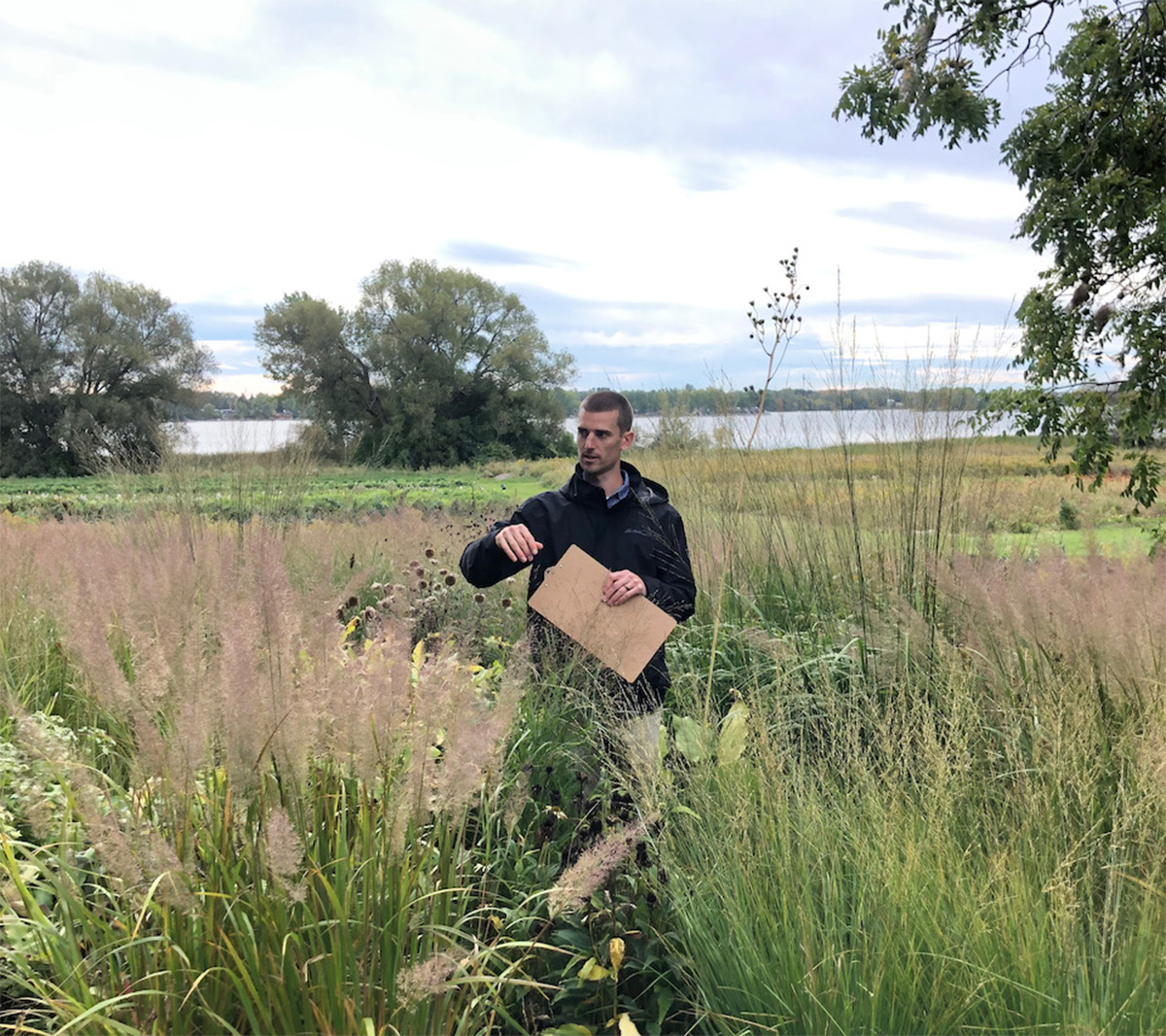
Field Notes: Ben O'Brien of Wild by Design
Designing for Evolution: Ben O’Brien on Plant Communities, Resilience, and the Art of Letting Go
In our ongoing Field Notes series, we speak with designers and practitioners about the evolving role of meadows in contemporary landscapes. This month, we're delighted to share the work of Landscape Designer Ben O’Brien of Wild by Design.
O'Brien first encountered meadows as working agricultural landscapes in the hayfields of rural Ontario, an experience that continues to shape his perspective today. He has designed, planted and managed gardens at a range of scales, from small town gardens to large rural properties. While his plant palette has changed over time, the goal remains the same: to create places that evoke the texture, diversity, and quiet vitality of those formative fields. In this conversation, O’Brien reflects on how his understanding of meadows has evolved — from the unpredictability and complexity that make them so compelling, to the plant communities and design strategies that bring meadow-like qualities into gardens and managed landscapes.
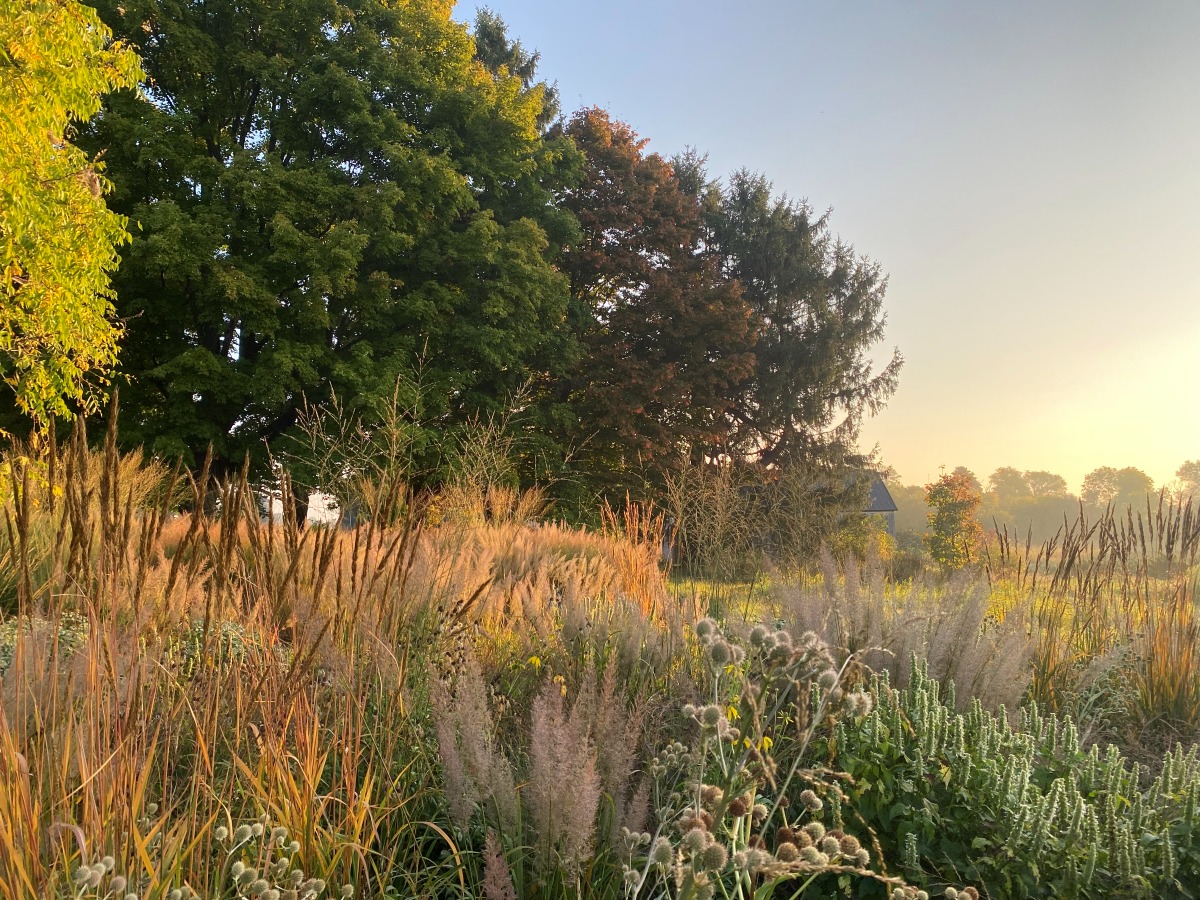
What first drew you to meadows—and how has your relationship with them evolved over time?
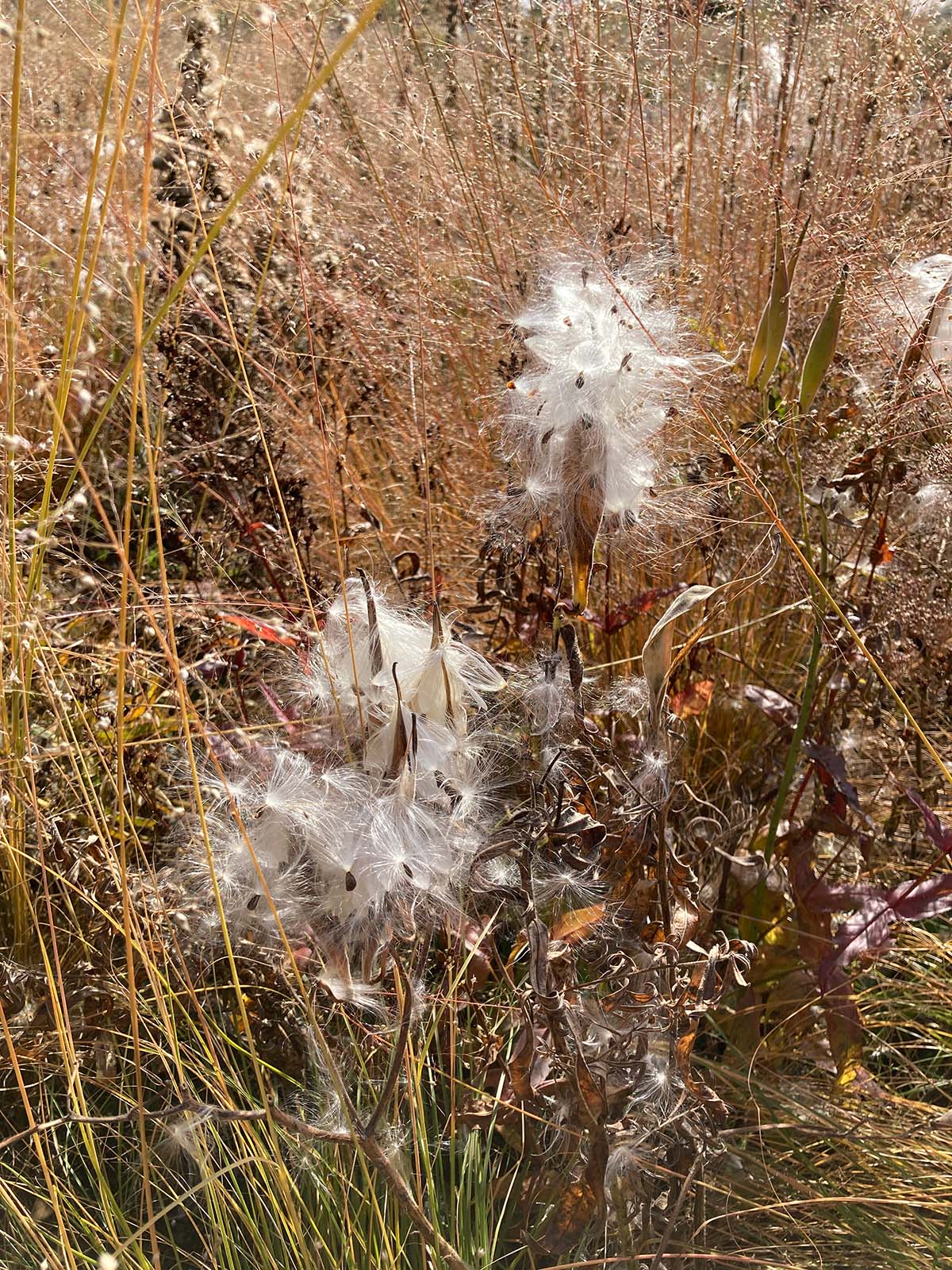
I grew up in a rural area of Ontario, surrounded by farms and fields. So my early experiences of meadows weren’t tallgrass prairies or wild native meadows but agricultural hayfields. I still love these landscapes, even though they’re far from pristine native plant communities. They’re beautiful, imperfect, botanically multicultural landscapes. They exist for an agricultural purpose but are beautiful and full of life almost by accident. In early summer, they’re full of clover, birdsfoot trefoil and milkweed (grass, sweet clover and milkweed will always be the quintessential smell of summer). And after the hay cut, the asters and goldenrod take over for fall. After studying landscape architecture, I became more interested in designed or restored meadows and prairies. So while the plant palette is different, (I’m not planting sweet clover for clients), I’m still trying to create the same atmosphere and evoke the same emotions as those hayfields.
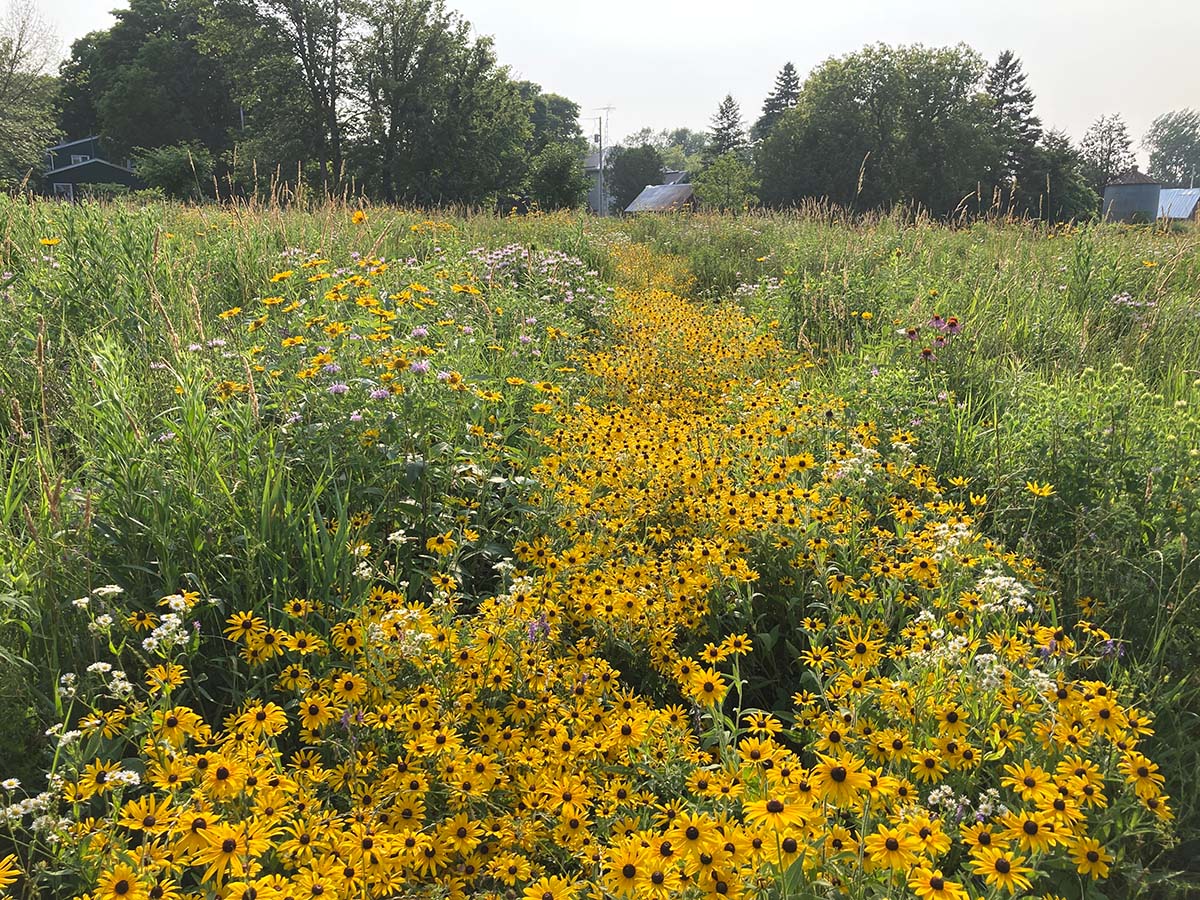
What do you wish more people understood about how meadows actually work?
I’m still learning how meadows work, and I suspect I’ll be learning for a long time. So I’m not in a place to say what I wish people understood because I still don’t fully understand myself!
What I can say, though, is that I wish more people understood that the complexity and unpredictability of meadows is exactly what makes them so much fun. Most designers don’t want to implement something that they can’t reliably predict or communicate to a client. When you sow a seed mix, you can’t say for sure what’s going to happen. What species will germinate well? Which ones will fade away after a few years and which ones will thrive? So maybe they don’t work on every site or for every client, but I think this process and evolution, the fact that year-to-year a meadow will never look the same twice, is what makes them magical.
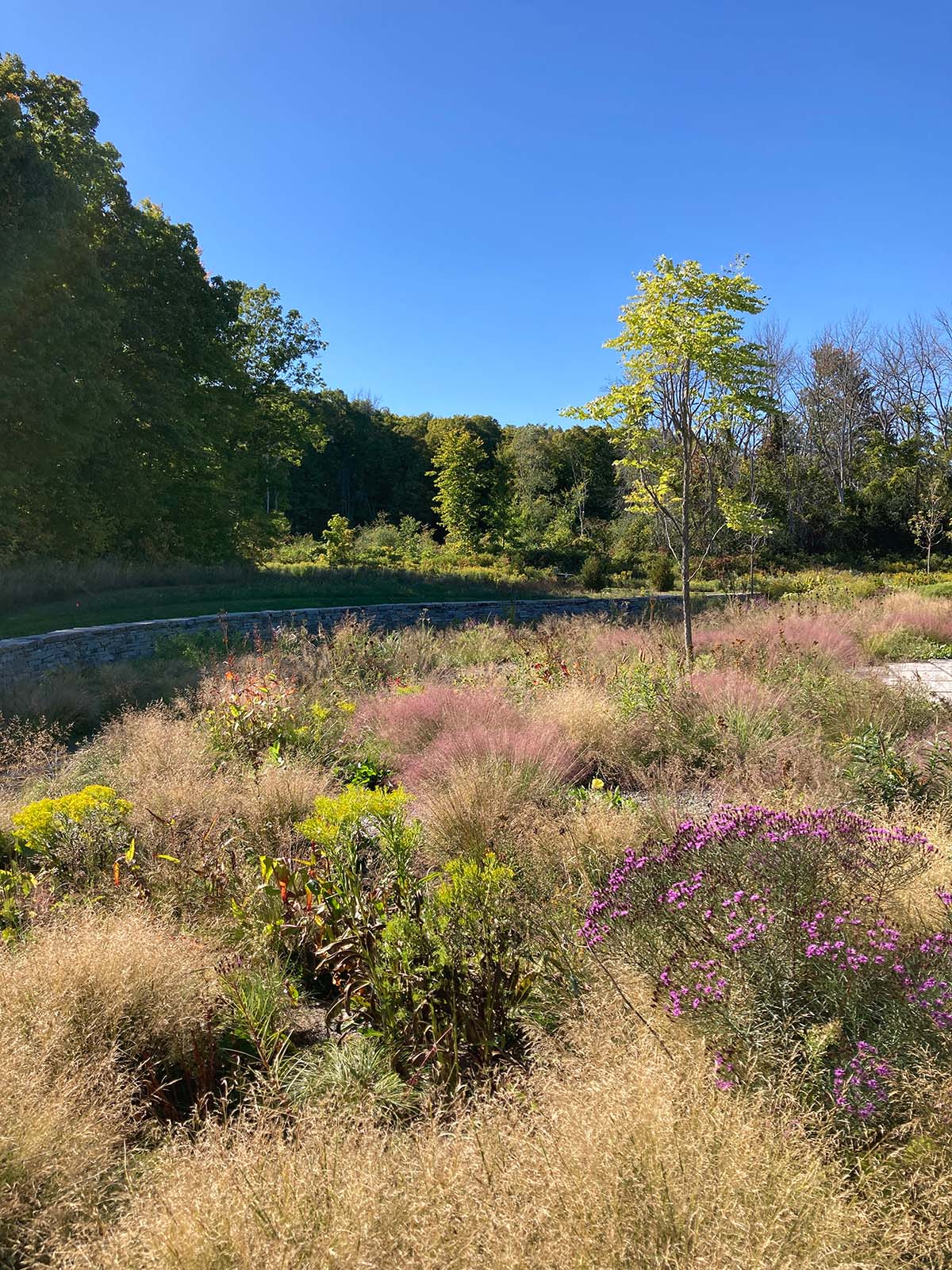
What are the few select plants you find yourself returning to again and again—and what makes them indispensable in your eyes?
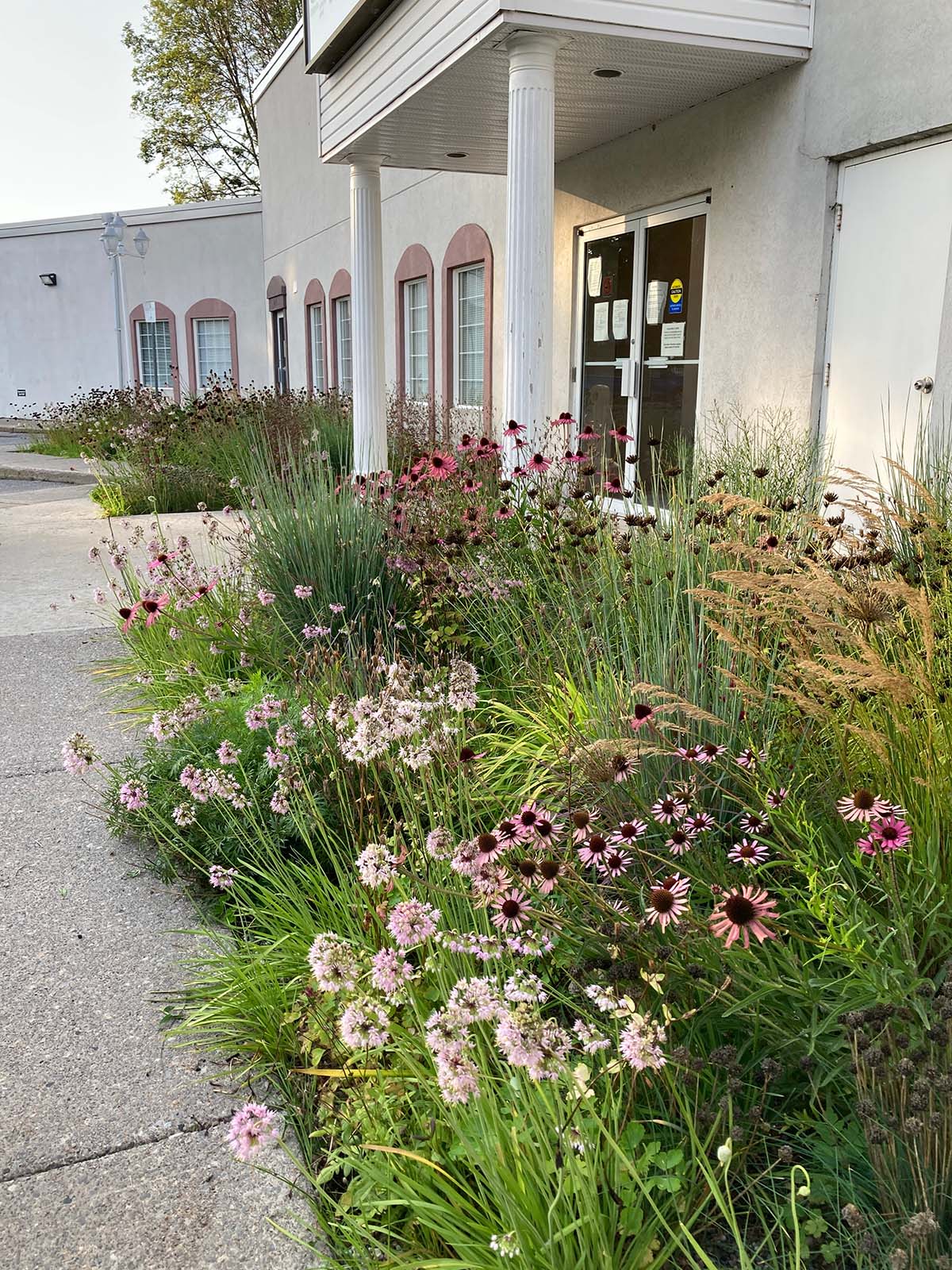
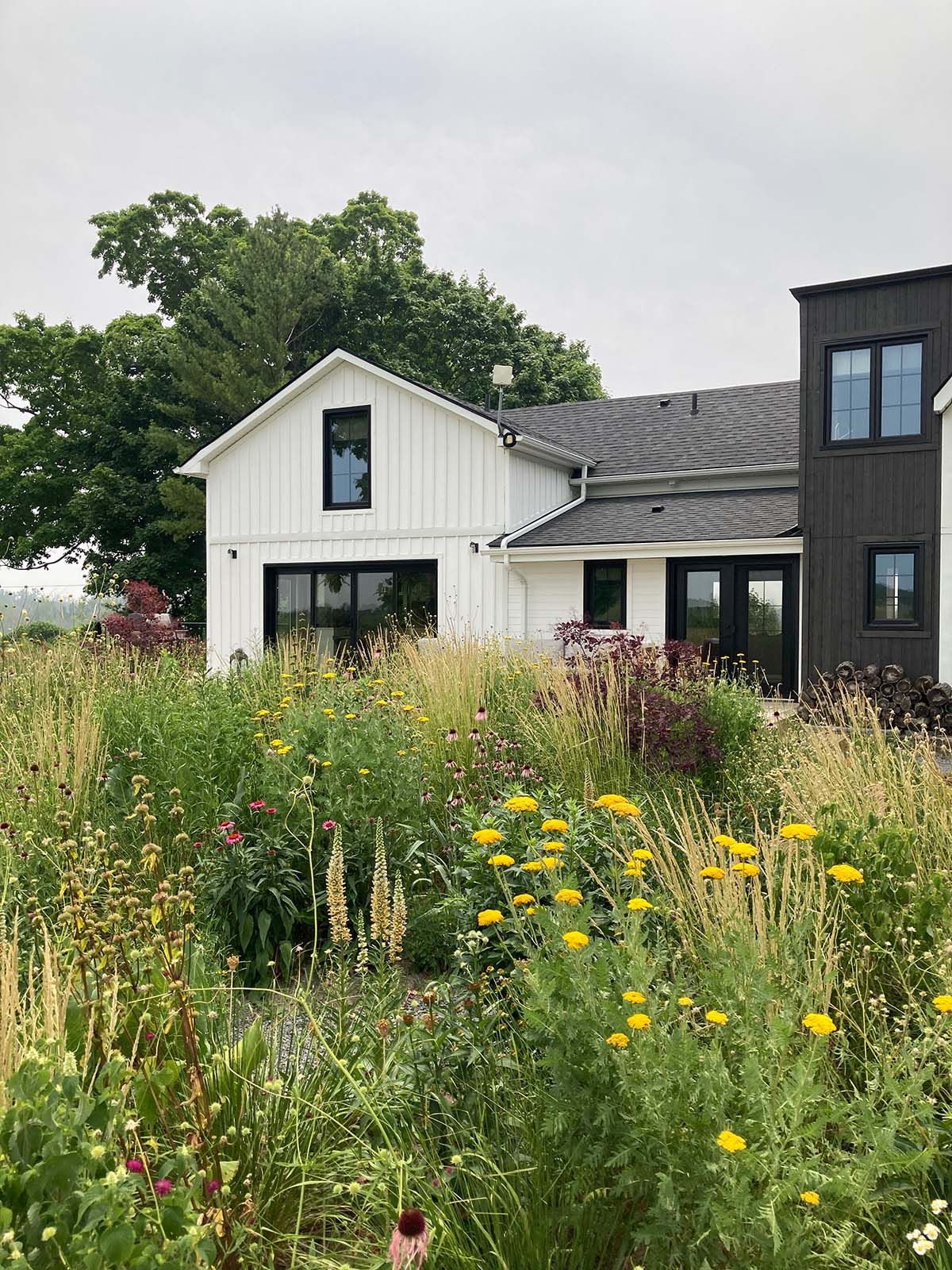
In most residential landscapes I’m making garden plantings that are inspired by the aesthetics of meadows, but don’t have the same density or dynamics. In gardens it’s important to rely on plants that make tight, predictable clumps and don’t spread beyond their boundaries too much, either via spreading or seeding. Plants like Monarda bradburiana, Echinacea pallida, Eryngium yuccifolium, or the underused Heuchera richardsonii or non-natives like Calamintha nepeta ssp. nepeta, Stachys ‘Hummelo’ or Allium hybrids like ‘Summer Beauty’ or ‘Millenium’.
This year especially I’ve developed an even deeper appreciation for mountain mints and goldenrods. They’re such ecological powerhouses, even in a terrible drought year like the one we’ve just experienced. The amount of life these plants attract is mind-boggling. You have to understand their growth habits to use them effectively, some are much more aggressive than others and less suited to general garden use. That said, I’m in the process of developing a meadow community at one site, with lovely rich soil, where I’m going to toss all the super competitive spreaders together and let them jostle around to see what happens.
Can you recall a field experience that shifted your perspective on ecological relationships or plant dynamics?
Visiting the Dixon Prairie at Chicago Botanic Garden and the Schulenberg Prairie at the Morton Arboretum in Chicago was my first experience of a restored tallgrass prairie. In both places the density and diversity of native plants growing together was staggering. It’s an experience you can only get in a landscape made by seeding. Plants behave completely differently when they’re in such close competition (or collaboration?) with other species, compared to when they have more room and resources in a traditional garden setting.
I had a similar experience this summer at the Prairie x Design field day in Iowa, hosted by Kelly Norris, David McKinney, Ryan Drake, Christian Moore and Kim James. Wading through hip-deep prairies like a herd of buffalo gives you an entirely different experience of the plant diversity and dynamics of these incredible ecosystems.
At the opposite end of the spectrum, I’m fascinated by plants growing in really stressful environments. Near my in-laws' cottage on Manitoulin Island there’s an abandoned coal loading dock that’s being recolonized by native species. It’s a mix of paper birch, low shrubs like Potentilla and fragrant sumac, and various junipers emerging out of a meadow of little bluestem, prairie dropseed, Deschampsia, asters, goldenrods, prairie smoke and others. The plant community is either growing in thin to no soil over the limestone bedrock or, in some cases, growing directly out of piles of old coal waste. Observing this place has been an education not only in the resilience of plants, but in how plant communities coexist, intermingle and assemble themselves in even the most inhospitable environments.
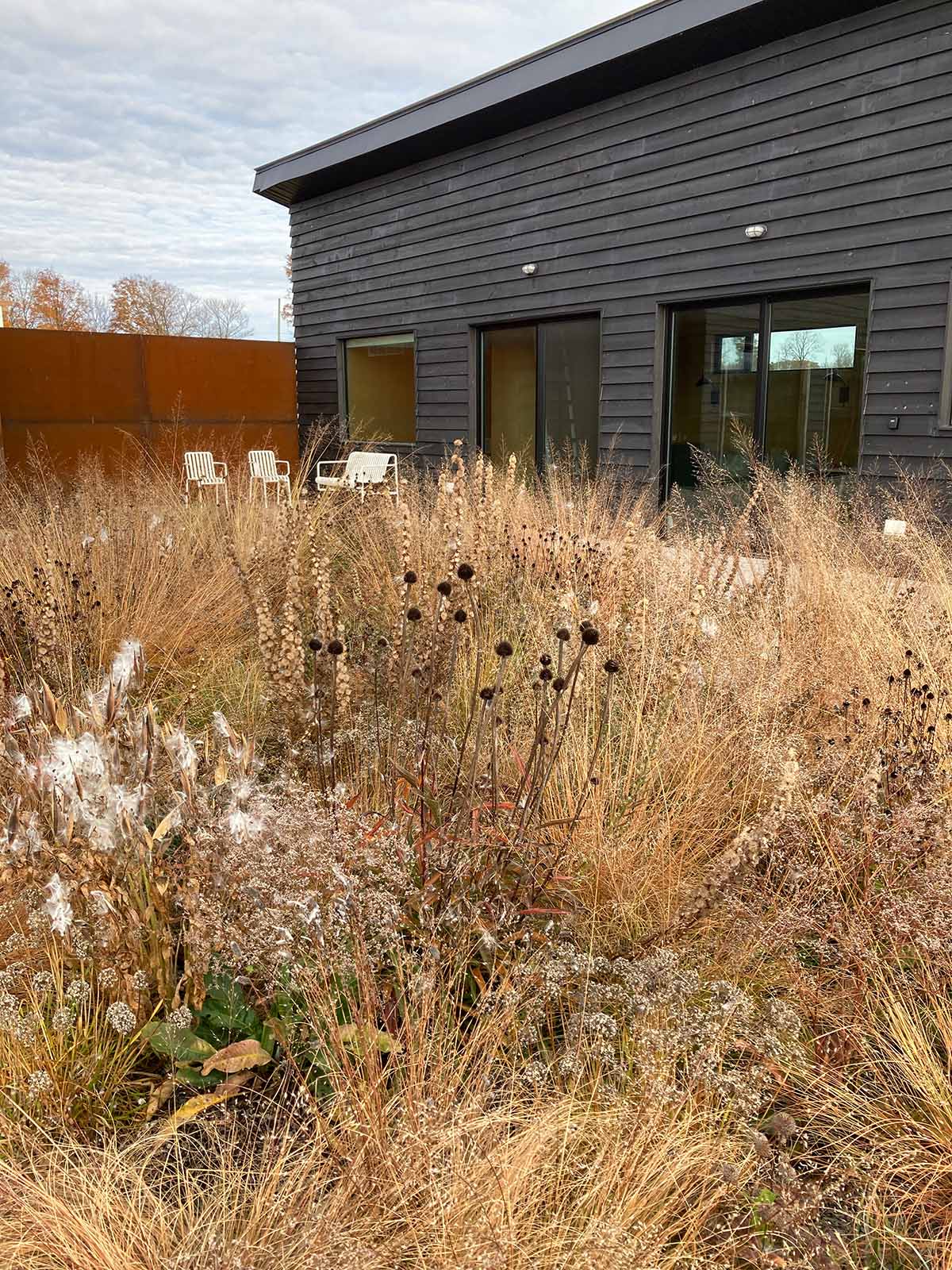
If you could stage a meadow in an unexpected setting—urban, industrial, or otherwise unconventional—where would you put it and why?
The first place that comes to mind is the utterly joyless landscape typology that surrounds most of our schools. Vast expanses of lawn with a few scattered trees at best, a prison-esque fenced yard of pavement at worst. These landscapes will never captivate, inspire or delight, they’re the antithesis of what should be the childhood experience. Obviously, you need lawns for ball diamonds, soccer fields, etc., but I’m sure we could squeeze in some space for wildflowers on most of our school properties.
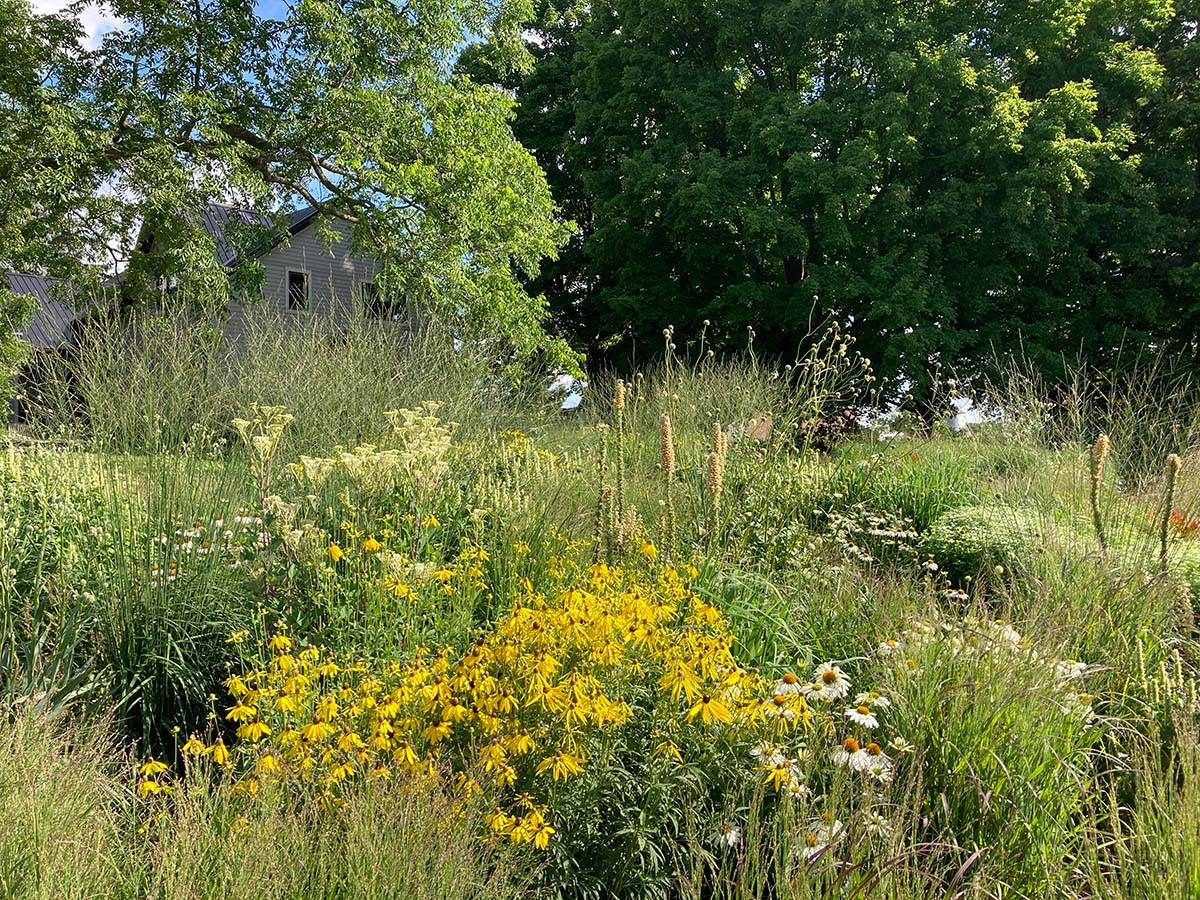
To explore Ben O'Brien's work and get in touch, visit his website at www.wildbydesign.ca.