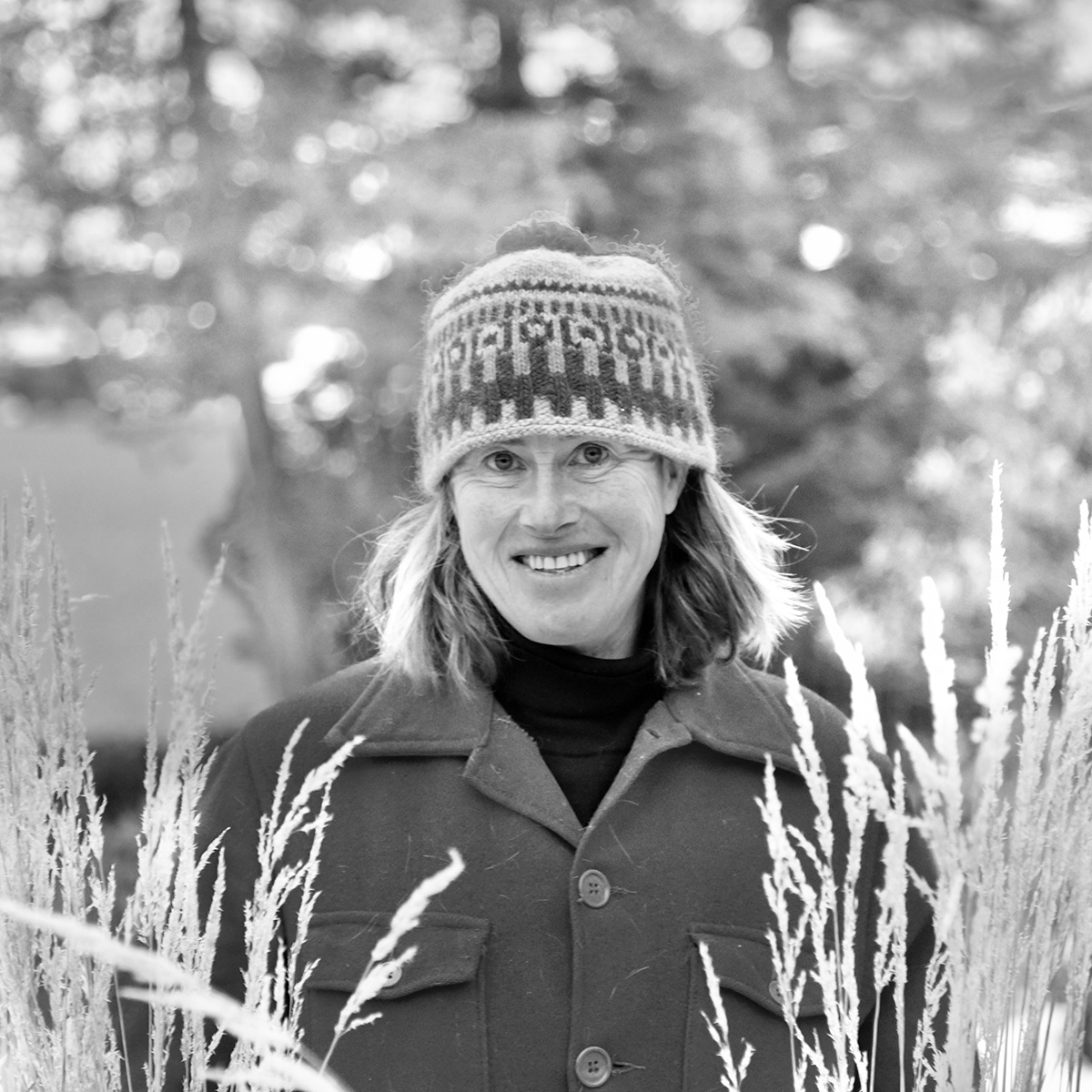
Field Notes: Liza Kiesler of Viburnum Gardens
Vermont-based Landscape Designer Liza Kiesler on meadow-making, plant companionship, and the understated power of naturalistic gardens.
Based in Vermont’s remote Northeast Kingdom, Liza Kiesler is the founder of Viburnum Gardens, an intimate landscape design practice focused on naturalistic plantings. Trained at The English Gardening School and shaped by years of hands-on horticultural work, Liza brings a deep understanding of plants—and the ecosystems they support—to every garden she creates. Her work often begins with the subtle architecture of grasses and native species, blending seeds, plugs, and thoughtfully sourced perennials to shape landscapes that feel both intentional and organic. Whether designing meadows that unfold in soft seasonal rhythms or crafting smaller, richly layered garden spaces, Liza strives to cultivate places that are alive, resilient, and connected to the character of the land.
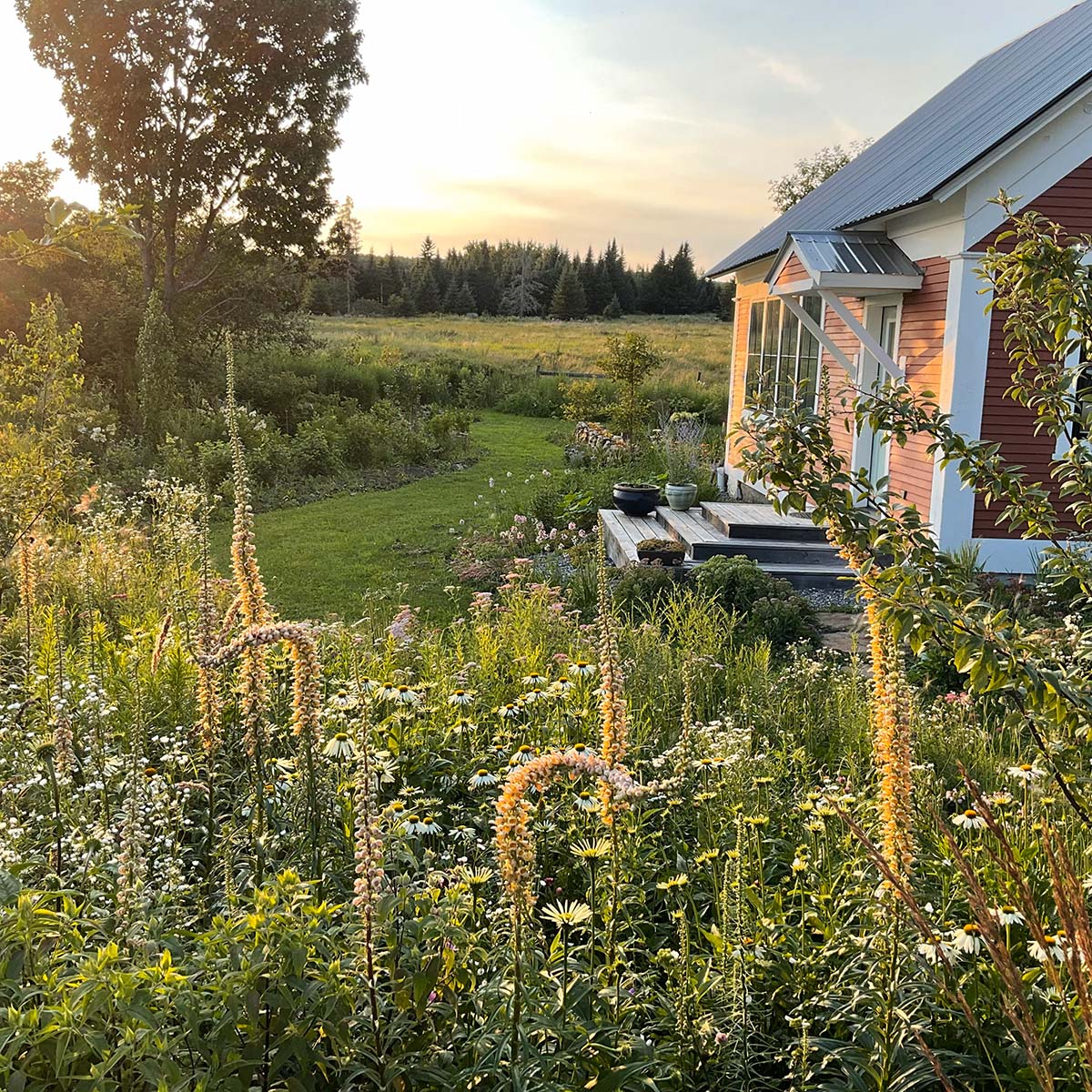
What first drew you to meadows and how has your relationship to them evolved over time?

Good question! For me, there is both a spatial and emotional element to the word "meadow." Just say it, and I’m away in my mind to that open space at the edge of the woods where everything is fine textured and sunlit—and you get this expansive and free feeling after emerging from the darker forest. It’s a place where you are very aware of your surroundings and senses, but in a very un-self-conscious way. In a meadow, there is no sense of human authorship as is implied by the word "garden." So I think what drew me to meadows is wanting to create spaces that give that sense of freedom, lightness, and naturalness to the experiencer, if that’s a word! Movement and gentleness are the feelings I am chasing after when the word "meadow" is mentioned. I want the sense of a literal "breath of fresh air."
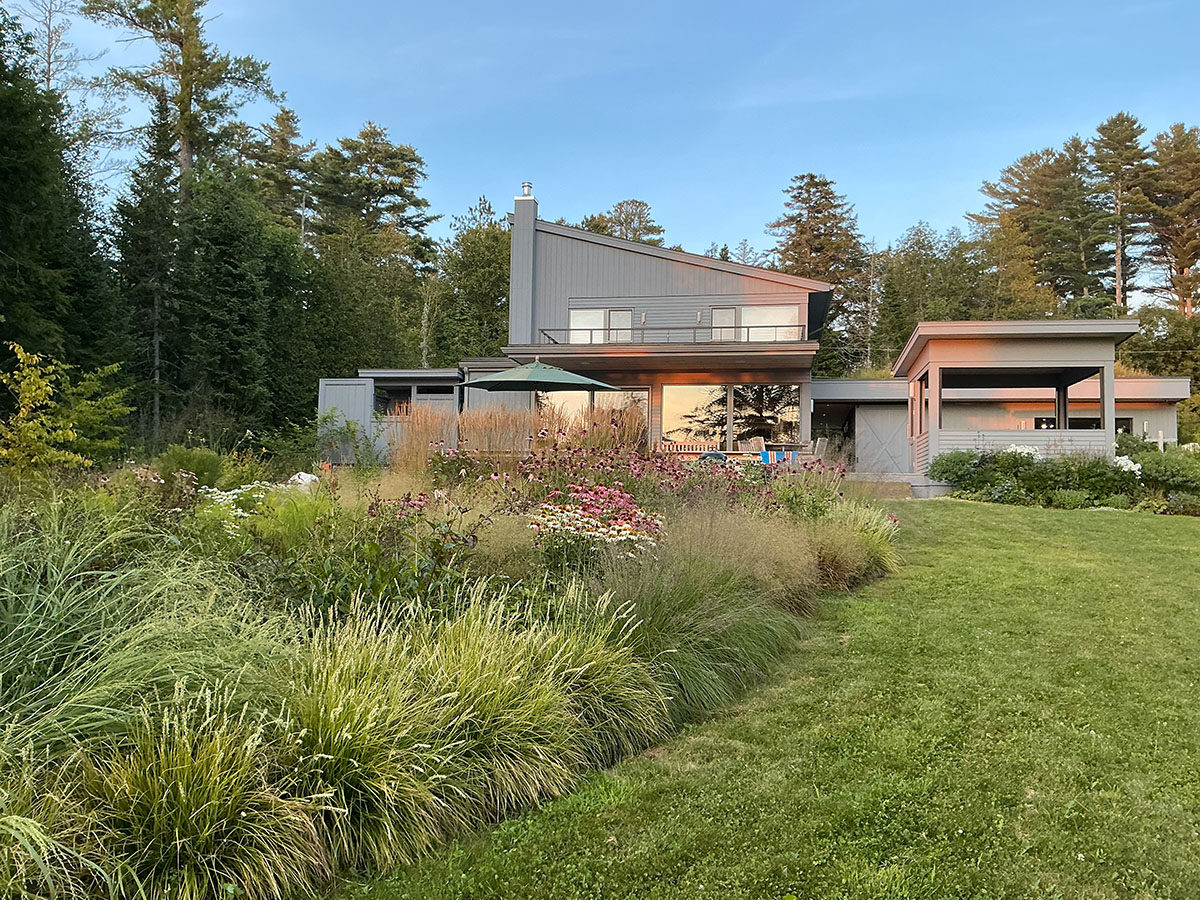
What do you wish more people knew about how meadows actually work?
Well, I wish I knew more about how meadows actually work! But I’ll say this: You’ll notice in a natural meadow that there is absolutely no open space on the ground—everything is emerging out of something else, some lower layer. So I would say it’s important to become more curious about those lower-growing base layers that the taller, charismatic flowering plants come through. A meadow has different flowering events across time, but we rarely consider that all those plants are still there when their bloom time is done. I think we can know more by observing—and asking ourselves: How does the system work? What can we learn? What important parts are we missing when we try to create a meadow or a meadow-like feeling in a garden?
I guess I should also say that I wish more people knew—although I wish this wasn’t true!—that sown meadows, especially those that were not formerly lawn, tend to devolve rapidly and revert to cool-season non-native grasses without intensive site prep. They are much more challenging to create than you might think.
What are the plants you find yourself returning to again and again—and what makes them indispensable in your eyes?
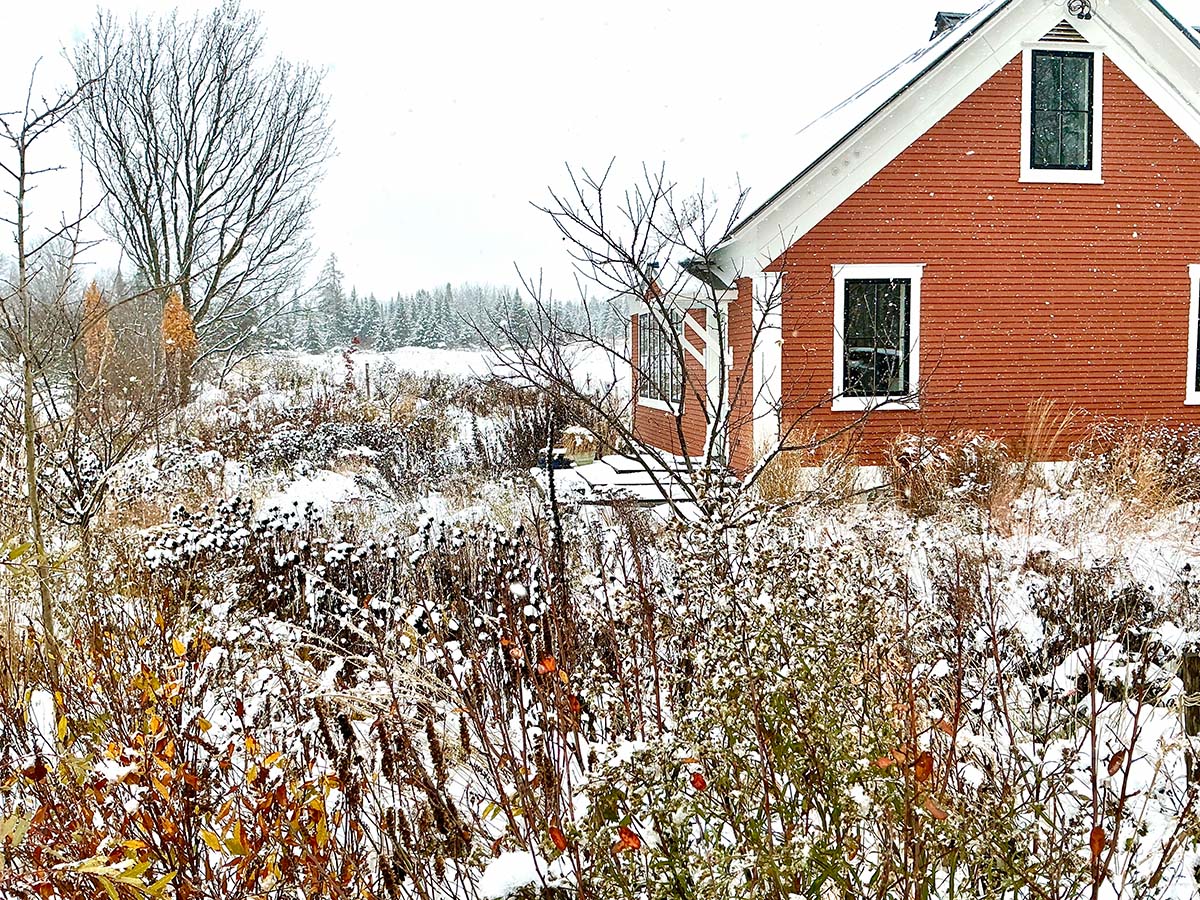
Hmmm…well, Monarda fistulosa immediately comes to mind—it’s a soft and easy lavender color, super drought tolerant and adaptable, and attracts all kinds of interesting bumblebee species when it’s in bloom. Later on, the polka-dot seedheads are a happy sight. But—I think in general, all grasses—or sedges if you are making a sedge meadow—are indispensable to meadow-making. I’m learning more about their personalities and best uses. I go back again and again to Deschampsia cespitosa ‘Gold Tau’. Partly because it’s fun to say! But mainly because it’s a cool-season evergreen and reliably thrives in almost any situation. The soft gold late-summer and autumn haze of blooms makes a great backdrop for dark seedheads.
Another favorite grass is little bluestem—best in more open, gritty sites! It won’t tolerate being over-shaded. I love the sparkling diamond lights it makes in the low sunlight of late fall, and also its amazing rose-amethyst tint when cold weather comes.
I also love short-lived grasses that are easy from seed—such as Hordeum jubatum, foxtail barley, which fills gaps and looks incredible backlit!
Can you recall a field experience that shifted your perspective on ecological relationships or plant dynamics?
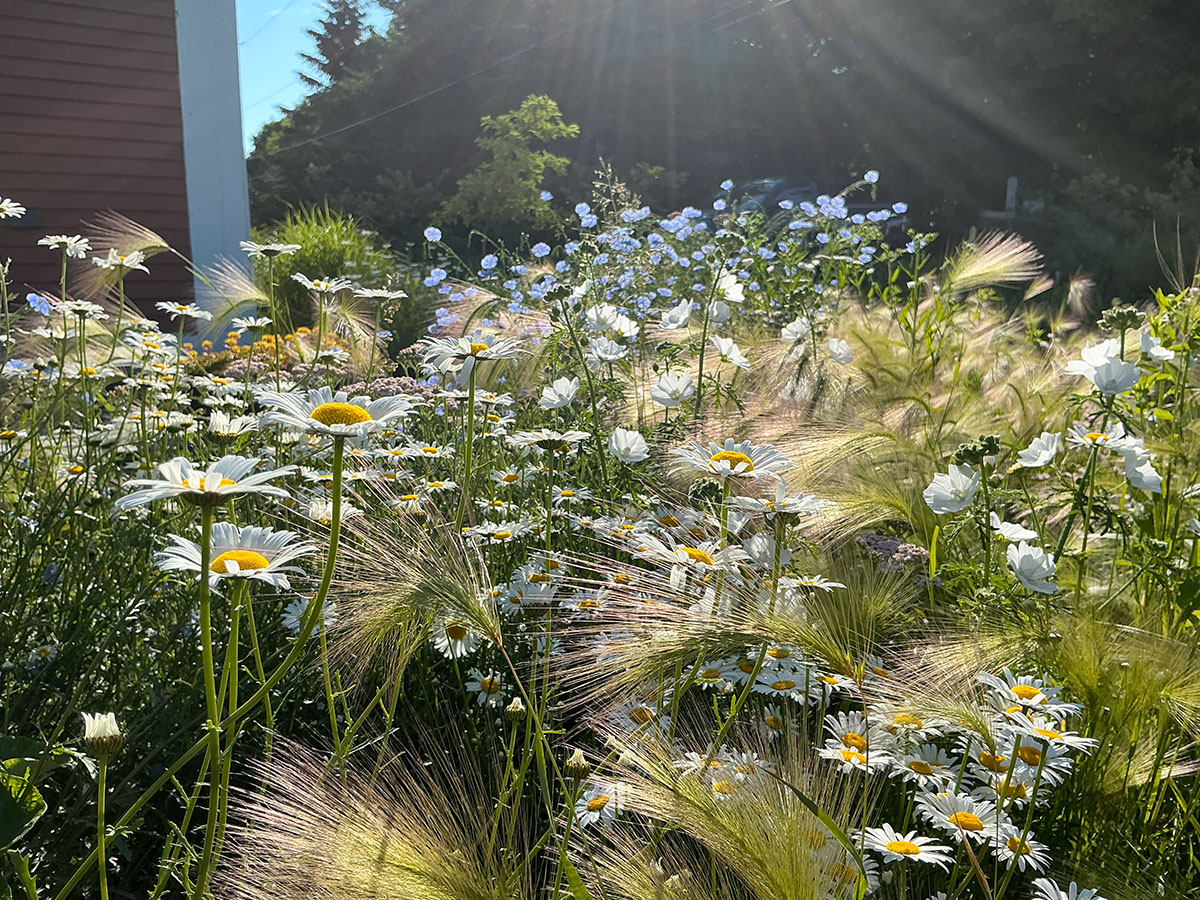
This will sound weird, but every time I go to the mountains. Alpine plants are not meadow plants, obviously—but they are wonderful little study subjects in miniature. When you look at a square foot of alpine "turf," there could be seven or nine or more species all intermingled in there together, growing in a tight community. We are used to thinking of everything from a competition model, but I can’t help thinking—and I have no evidence for this—that each plant makes the conditions possible for the other to thrive, whether it’s physical shelter, weathering down minerals, or creating a bit of moisture for a seed to germinate. I think they are not just tolerating each other, but actually need each other. This perspective really feeds into my thinking on gardens and meadows—a companionship model rather than a competition model. Not just what does this plant need in terms of soil type or exposure, but who are this plant's necessary companions?
If you could stage a meadow in an unconventional setting—urban, industrial, or otherwise unconventional—where would you put it and why?
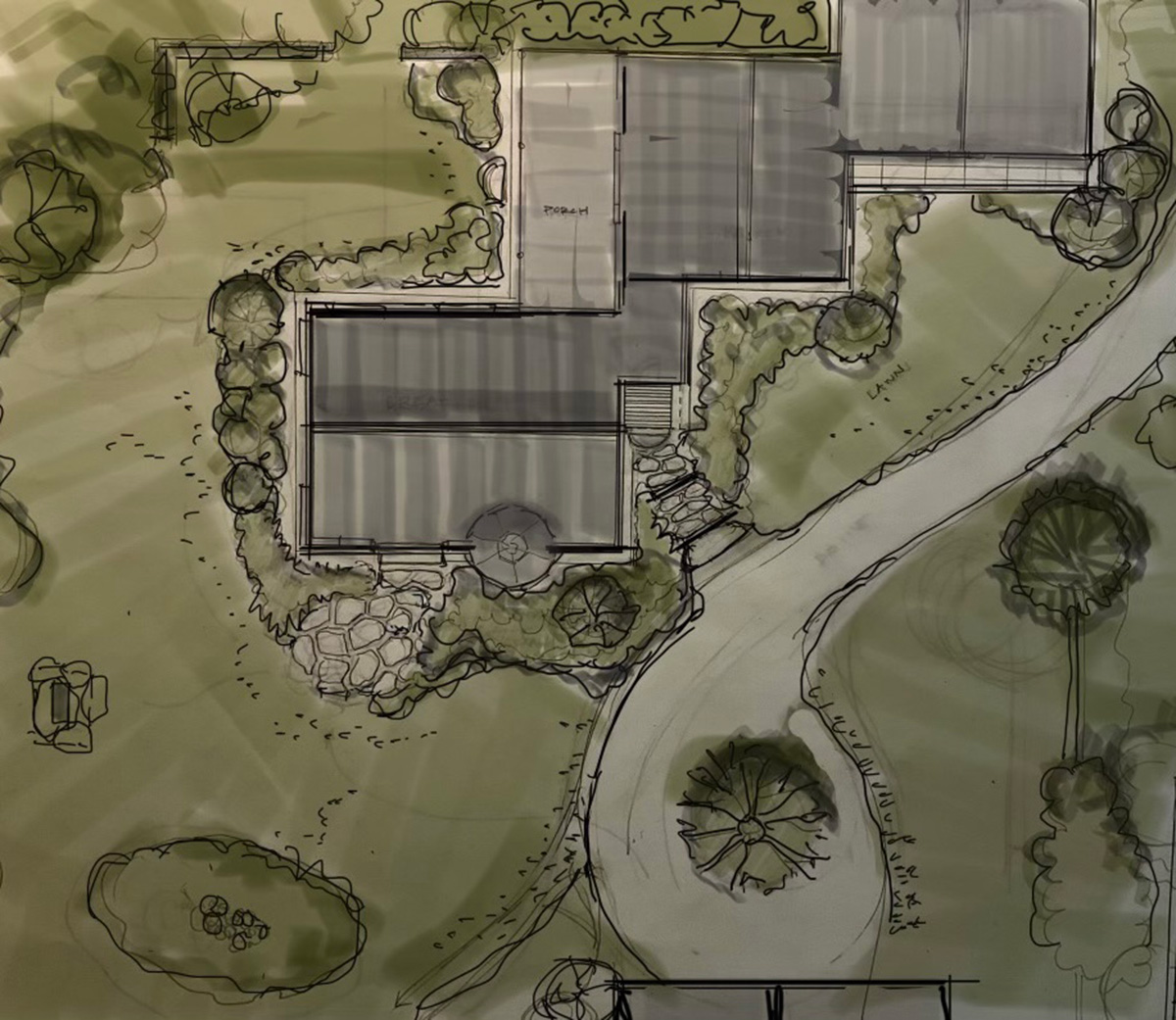
I would put it where people meet to have confrontational events, like maybe in front of a big courthouse or even a small town hall. Imagine the state of mind shift if your long walk up to the door puts you in a more relaxed and natural state of being. Where maybe you pause a minute to watch the bees nosing their way into the flowers, and you see how all the pieces are interwoven and coexist. I think that’s a whole game changer from sheared shrubs and mulch. I think more meadows encountered everywhere in everyday life would be a big plus! I often think we need more nature ‘snacks’ during the day—just small doses that we almost can’t escape—more of that would do us all good I think!
To explore Liza Kiesler's work and get in touch, visit her website at www.instagram.com/viburnumgardens/.