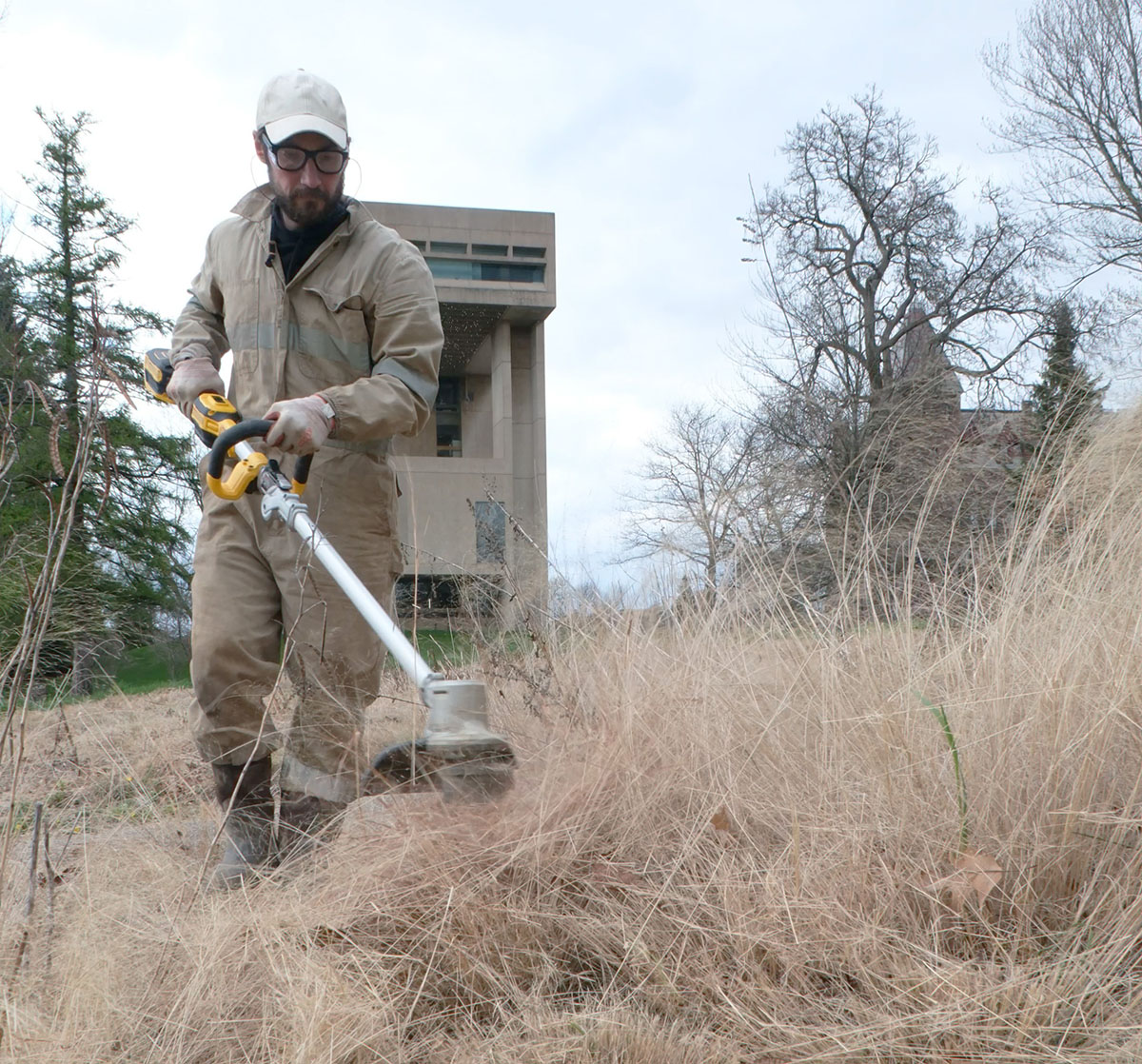
Field Notes: Matt Dallos of Thicket Workshop
Matt Dallos of Thicket Workshop on designing with ecological process, embracing uncertainty, and finding beauty in the unruliness of meadows.
Meadows are often imagined as either carefully controlled gardens or completely hands-off landscapes, but according to Matt Dallos, the reality lies somewhere in between. As founder of Thicket Workshop and an Assistant Professor in the Department of Landscape Architecture at SUNY ESF, Matt approaches meadow design as an ongoing collaboration between intention, management, and the unpredictable forces that shape living landscapes. Whether establishing a small public planting with plugs for rapid success or seeding larger meadows when time and site conditions allow, his process is guided by each project's goals, budget, and long-term stewardship. In this edition of Field Notes, he reflects on embracing uncertainty, learning from nature's surprises, and why the most successful meadows are never truly finished.
What’s a misconception people have about the “wildness” of meadows? Where do you see the balance between design and natural process?
I often find that people interested in adding meadows to their property fall into one of two modes of thinking: they feel that meadows can be controlled, or they feel that meadows shouldn’t require any human intervention. Essentially: the meadow as a garden or the meadow as untouched wilds.
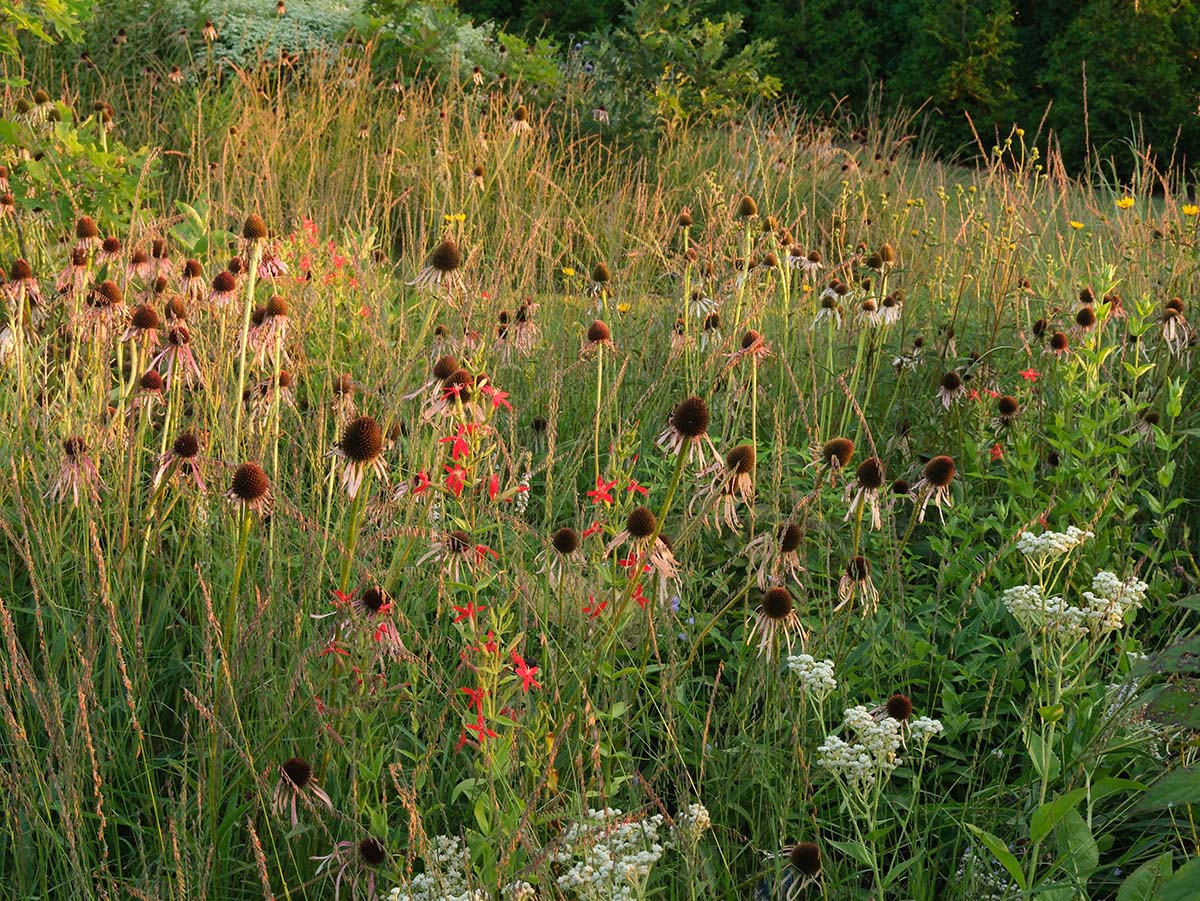
Photographs can make meadows appear as lush environments that can be frozen in time, as if a meadow can be precisely what you want it to be at any moment. In the “wild,” depending on the ecological context—and I work in the East, so there’s a heavy bias here toward that context—meadows are most often dynamic coincidences of plants instigated by disturbance or stress. There’s an inherent lack of stability in the very idea of a meadow. I don’t mean that as a negative; unruliness, uncertainty, lack of stability: these are wonderful places to work from as a designer, and they can lead to very compelling landscapes. But it does refute both the “control” and the “hands off” approaches.
Early on in our process, I try to have a conversation with clients about the balance between design—i.e. intention—and process. (I hesitate here to say “natural process” because so often we’re working with preexisting non-native, cool-season grass plant communities and/or anthropogenic disturbances.) My approach is to propose two poles of a spectrum: one pole is a small garden space where you can dictate precisely what species will grow where and keep it that way, essentially a flower border. The other pole is a meadow that’s untouched by people and is shifting into shrubland or forest. I argue to clients that we don’t want to create either of these poles, so let’s find the point in between that best fits your ecological, social, budget, and management goals. It’s the endless possibilities between those poles that make meadows so much fun (and such a challenge!) to design and manage.
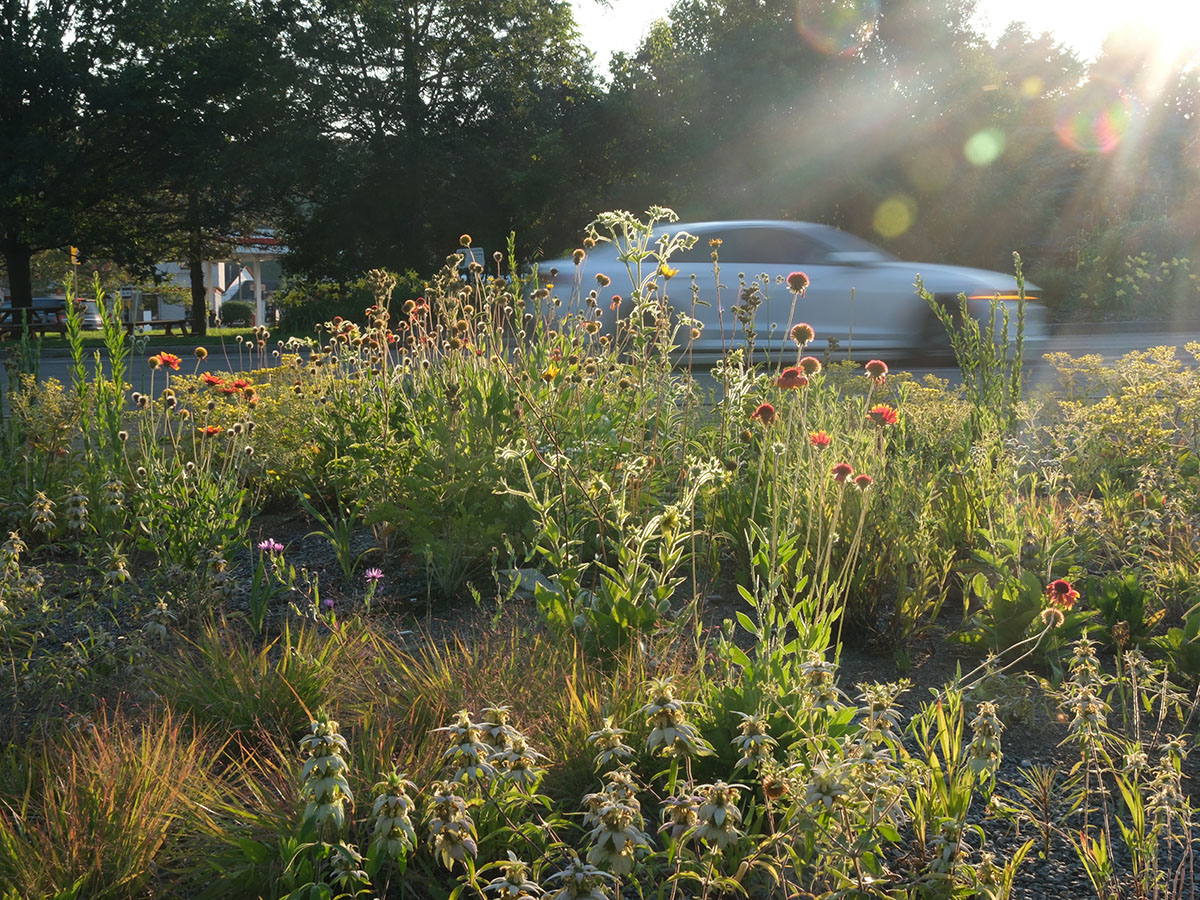
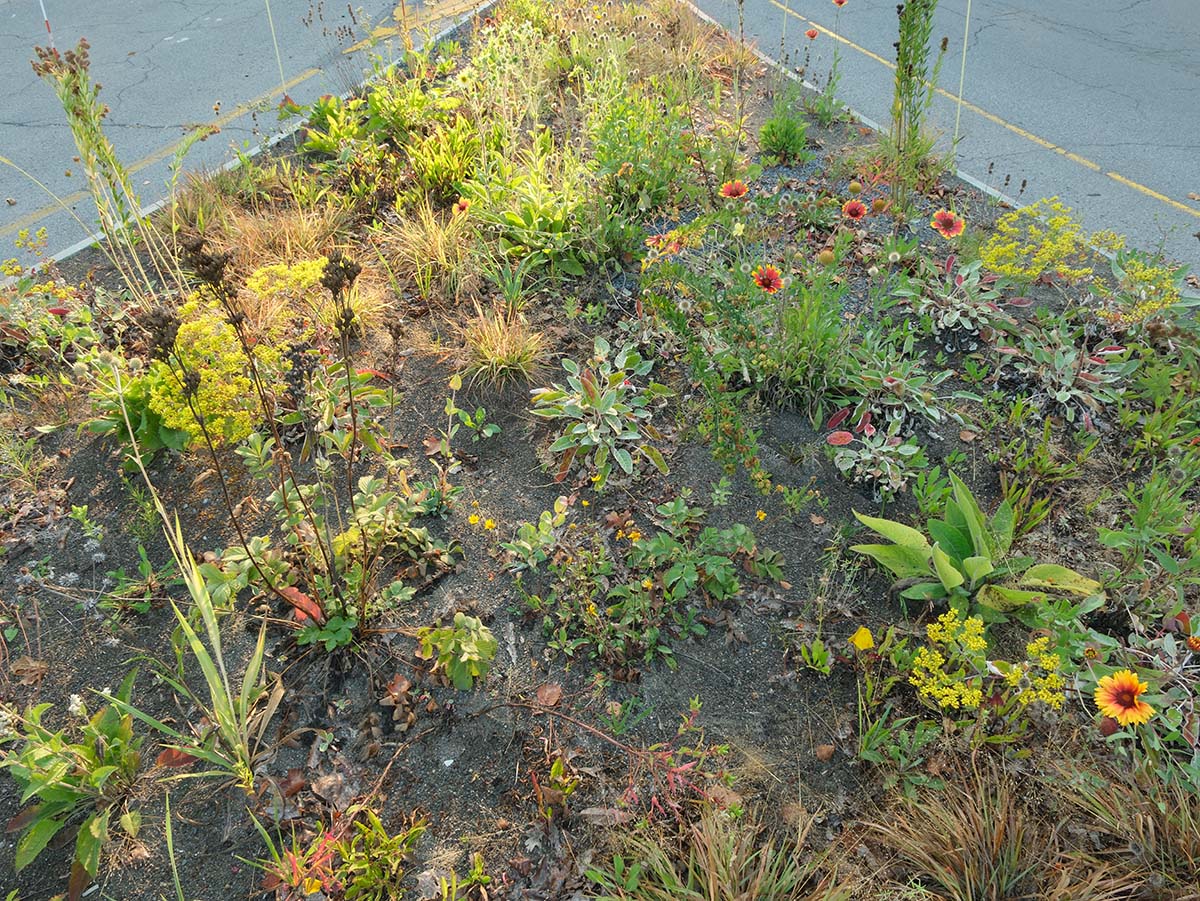
To digress a bit—and maybe I’m here also trying to add some context to the thoughts above (and below): I hold a very expansive view of what defines a meadow. I know there’s that romantic definition of a meadow that’s centered on human experience, in that a meadow must be large enough to feel immersive—grassy and immersive. But I tend to define a meadow as a grassy and/or herbaceous designed plant community that’s dynamic and embraces process, regardless of the scale. Sometimes this is a few hundred square feet in a parking lot; sometimes this is a few acres, or larger. Sometimes this hews to “native” regional plant communities; sometimes it is a novel assemblage of species for a region. That helps me to see the design possibilities in unruliness.
Tell us about a meadow that didn’t go as planned. What happened—and what did it teach you?
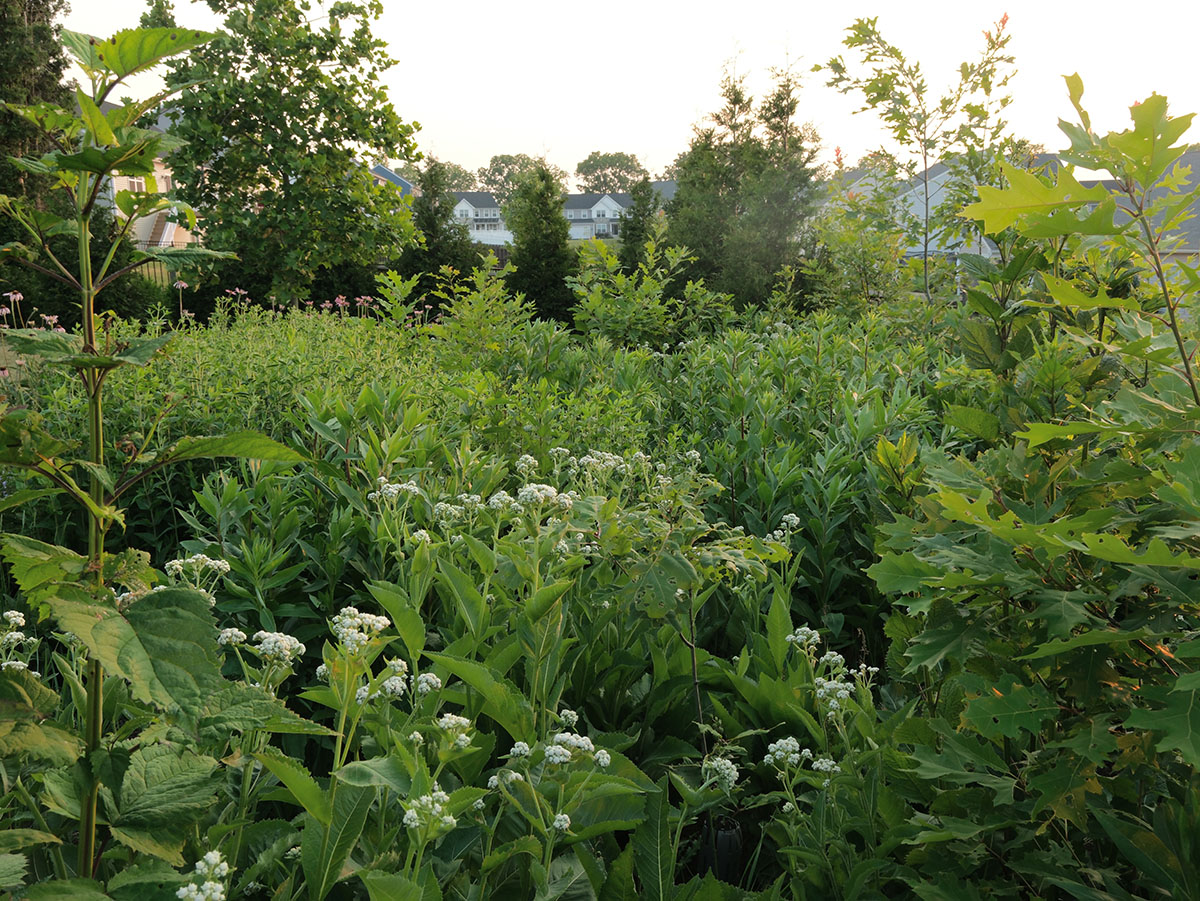
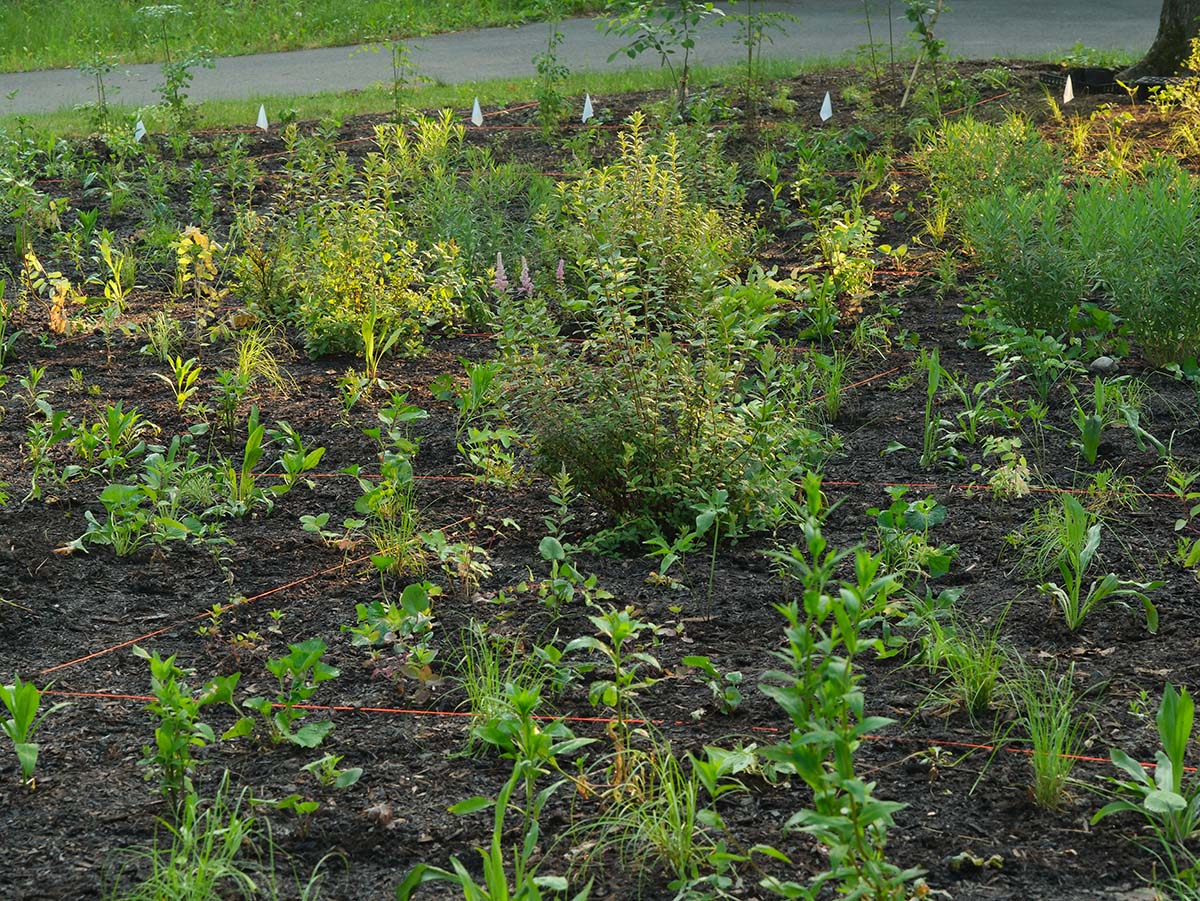
Back to the unruliness: meadows are humbling because they’re so dynamic and can change so quickly. There’s always something in a meadow that doesn’t go as planned; I think that’s unavoidable. One example that stands out to me: a seeded meadow where the three most successful species in the project were not actually part of the original seed mix. They were already in the soil or had blown in during the first year. It ended up working out just fine, luckily. It taught me to be more open to meadows as a conversation between design, management, and a site’s latent or even not-yet-arrived processes.
Is there a plant that completely changed your opinion over time? How did your relationship with that species evolve?
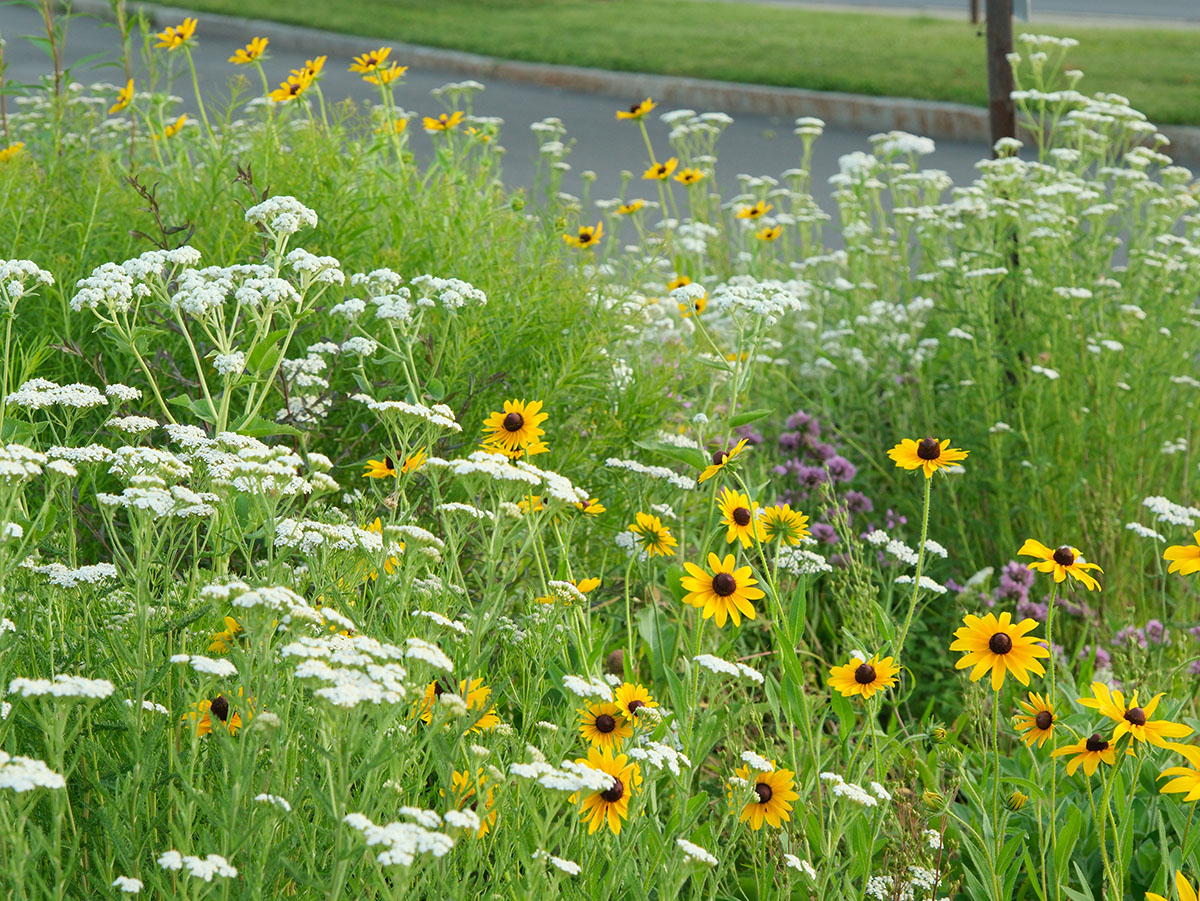
I always thought Rudbeckia hirta was a "floofy" plant of old-fashioned flower borders. I’ve come around to truly appreciate its adaptability and its willingness to bloom abundantly in the early years of meadows, even in tough conditions, and to then wait in the seedbank for any disturbances that happen later. I see it now as a gritty partner in meadow making.
If you could freeze a meadow at one moment in the year, when would it be?
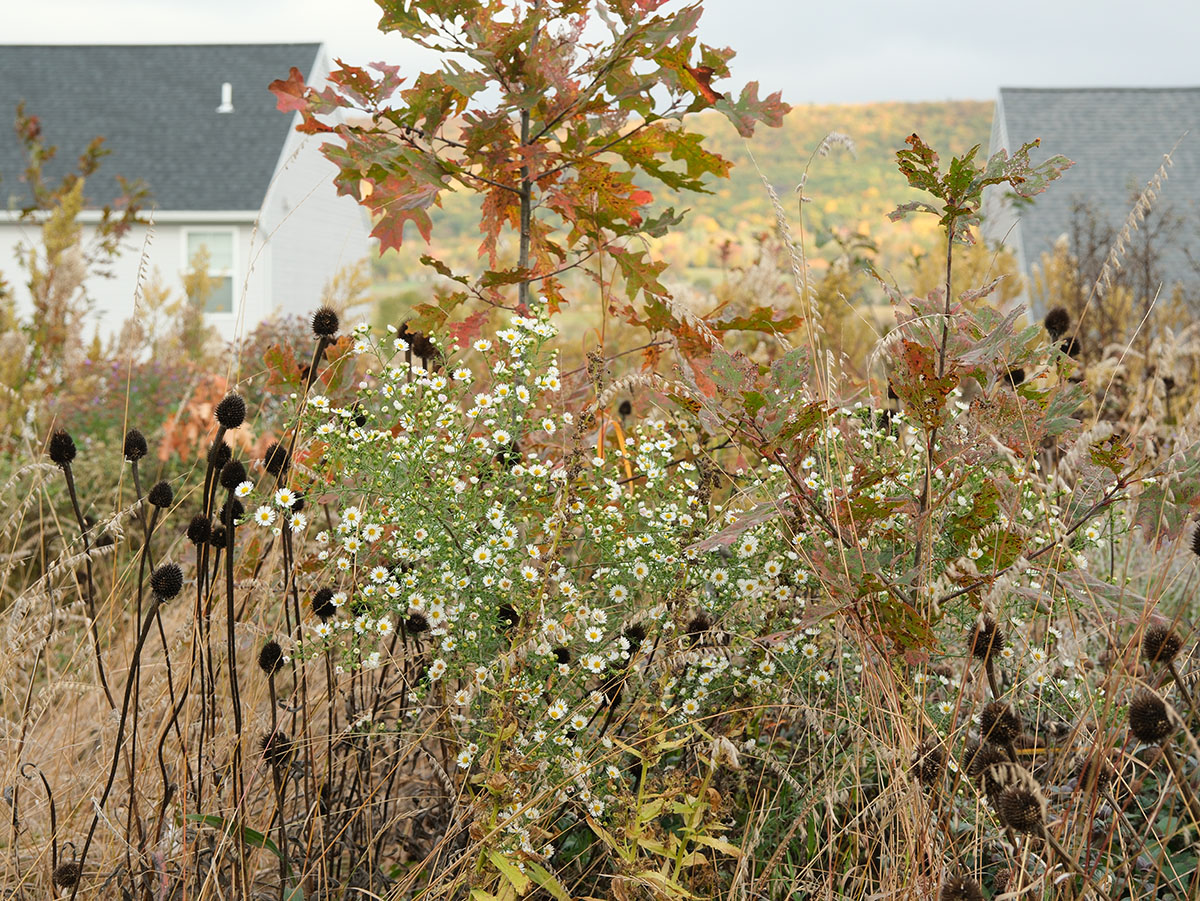
Must I pick just one?! I love meadows at their late-summer peak, all abloom and buzzing and rank. But I’d rather freeze a meadow during the golden hour on an October evening, a few days after the first frost, when the meadow is crisp and the colors have faded to brittle hues.
What’s something a meadow reveals about place that a traditional landscape might hide?
By traditional landscapes, I’m assuming you mean one that involves clearing a site of its inherent strangeness to create a normative condition to support an imposed vision. If that’s the case, then I think meadows reveal the granularity of places in a way that traditional landscapes never can. Especially as a meadow shifts beyond establishment, it starts to respond to and reveal those qualities that even the most rigorous site analysis might overlook: microtopography, microclimates, subtle shifts in soil texture, oddball hydrology, geological flukes, historical disturbance, changes in soil biota. Why, for example, is that species thriving over there but not over there? Meadows allow you to think through the qualities of a place at the scale of a seed germinating.
When you think about the future of meadows in the built world, what feels realistic—and what still feels out of reach?
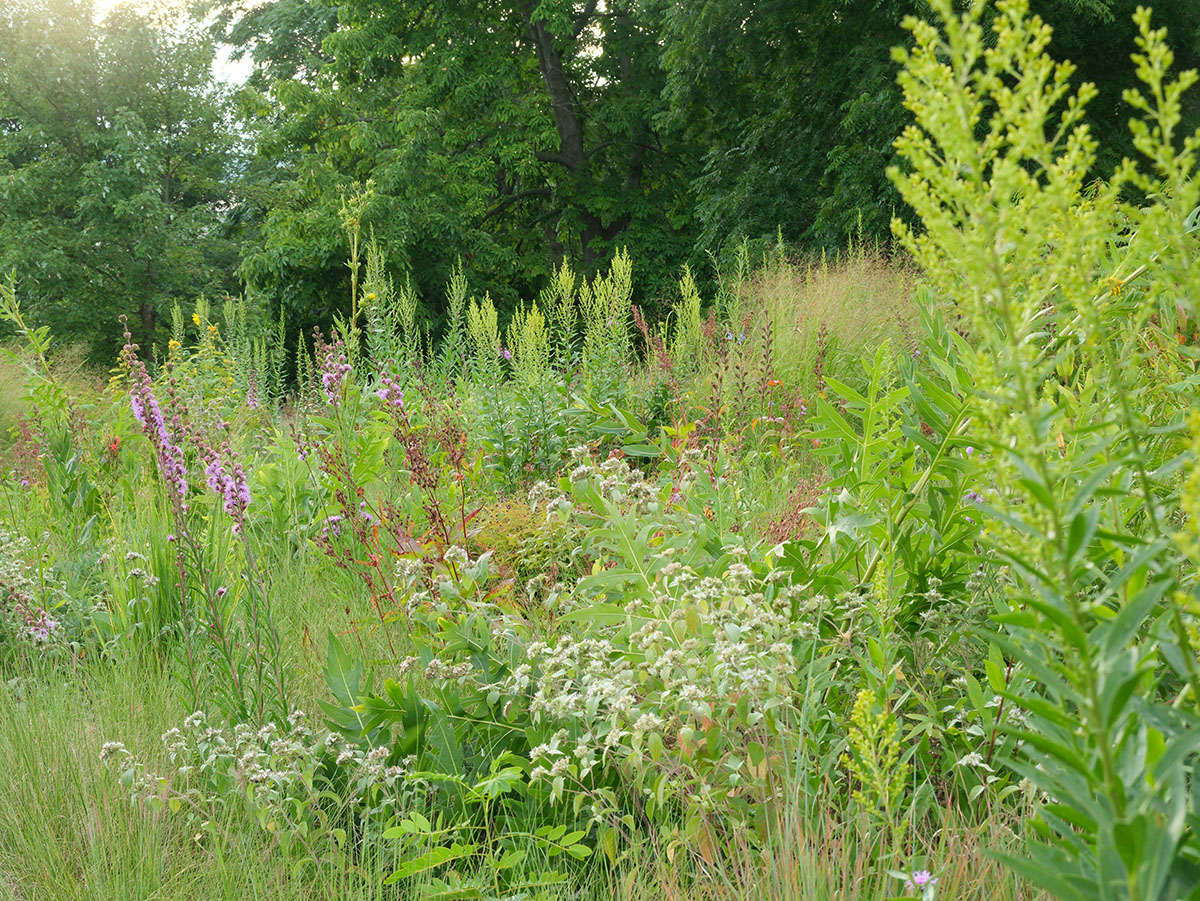
It’s encouraging to see more meadow-like plantings showing up in the public realm—the exact places where we need spaces where more people can experience the wildness of plant life. That seems to speak to a broader cultural movement in the US toward meadows, wildness, and a slightly shaggy vision of plants in designed spaces.
I’m seeing two things, though, that are somewhat concerning:
- While there are great examples of meadow plantings that rely on process, I feel as though I’m still seeing lots of meadow-ish plantings that co-opt the language of sustainability and ecology and yet are designed to be static. This is problematic, I think, because it’s creating a bunch of sites that are management nightmares that then get associated with the broader meadow movement, even if unfairly.
- I’m still not seeing sufficient financial or cultural support to truly make meadows sustainable for the long term. (There are exceptions, of course, both among grassroots organizations supporting meadows and high-budget public spaces supporting thoughtful engagement with meadows. But I feel those are both still uncommon.)
How do we gain the practical knowledge necessary to make meadows thrive long term in a region? How do we support sustainable careers to care for these meadows beyond any firm’s or individual’s lifespan? How do we make meadows a deeply embedded part of our culture so that they become critical sites of engagement with the natural world, not just a fad?
To explore Matt Dallos' work and get in touch, visit his website at www.thicketworkshop.com