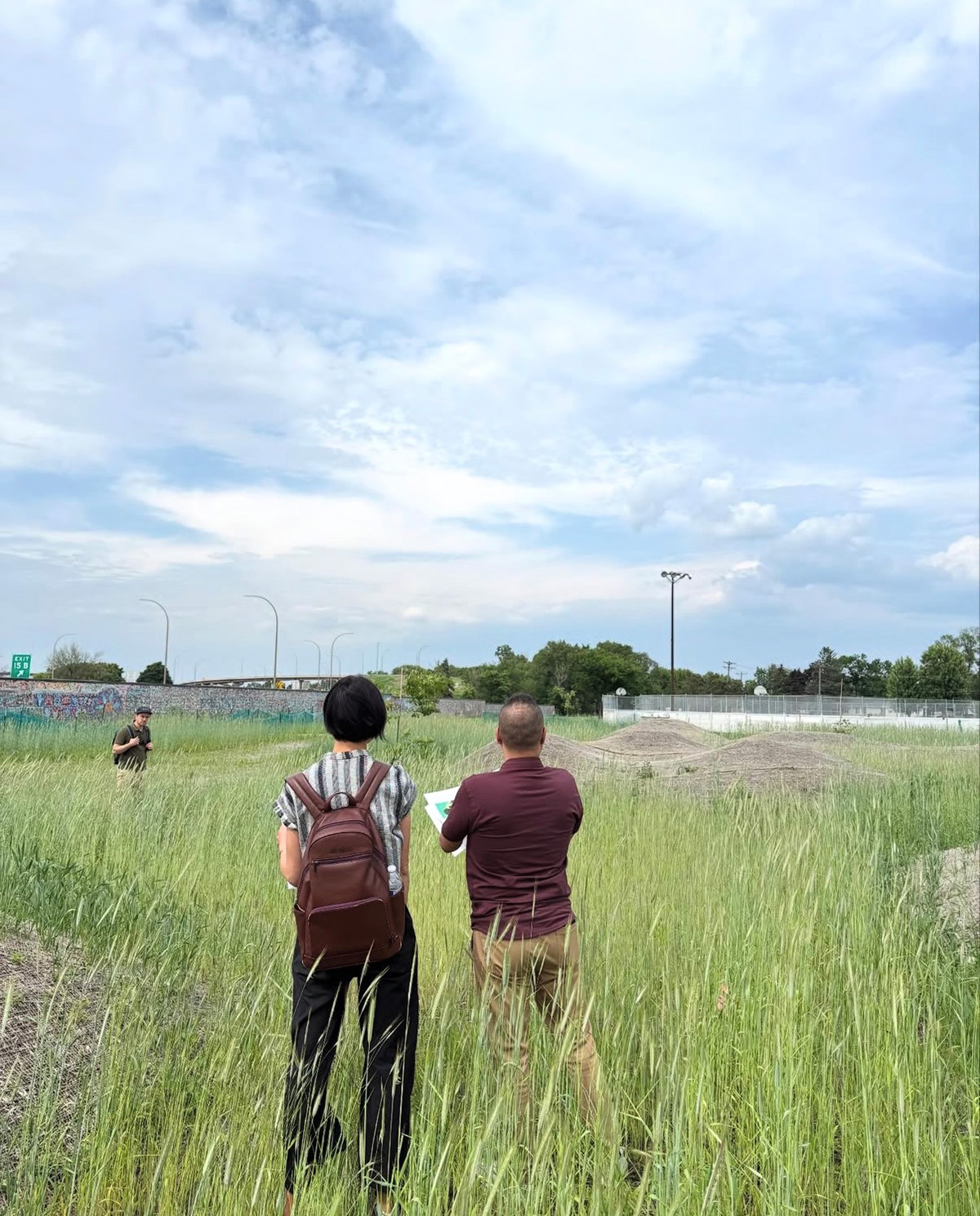
Field Notes: Wanjing Ji of Ping Design
Wanjing Ji on meadow planting, native species, and designing with change.
Wanjing Ji is the founder of Ping Design, a landscape architecture practice based in St. Paul, Minnesota. Influenced by her Chinese cultural heritage and travels around the world, her work explores how diverse cultures and ecologies shape placemaking, with projects ranging from urban residences and lake cabins to nature play spaces for nonprofit clients. In meadow work, Ping Design typically uses plugs for smaller urban gardens and seeding for larger sites, often supplementing with plugs where a stronger early presence is needed.
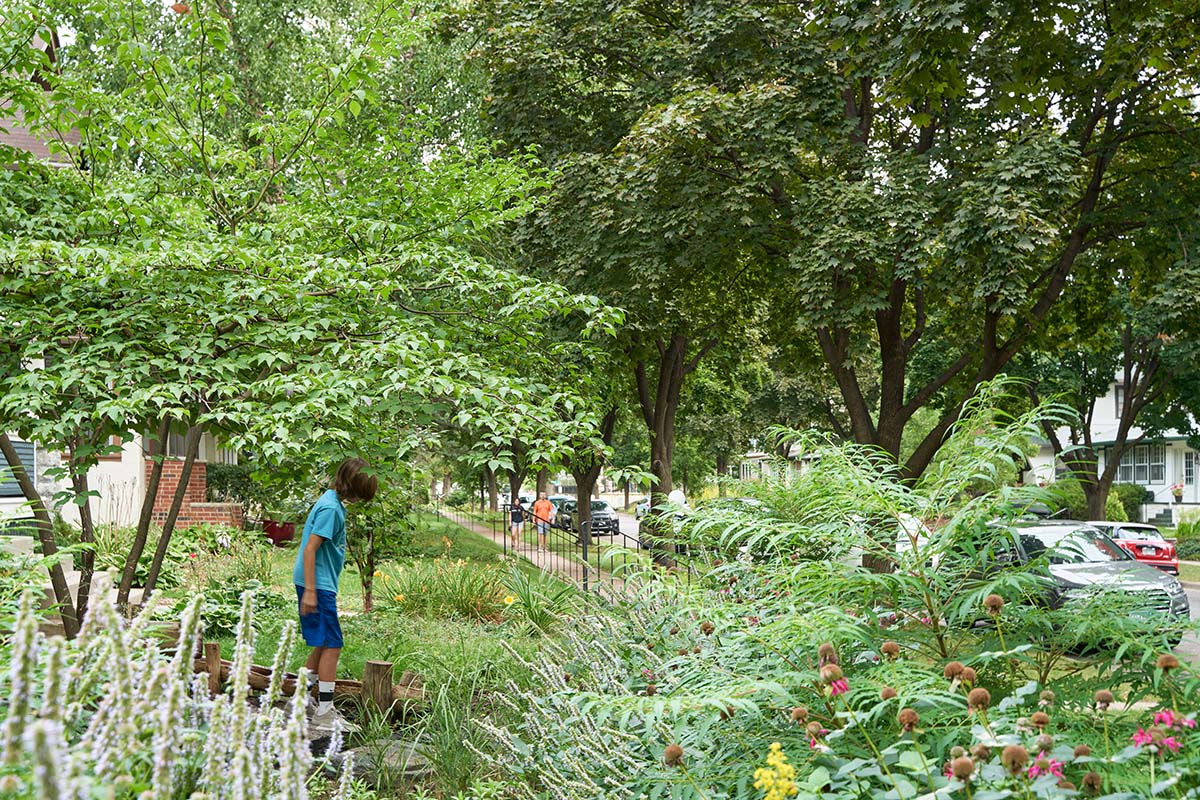
What’s a misconception people have about the “wildness” of meadows? Where do you see the balance between design and natural process?
One of the biggest misconceptions about meadows is that they are messy. I think what people are really reacting to is their untamed nature.
By seeding or planting a meadow, we inevitably give up a degree of control. But in doing so, we invite surprise, change, and a kind of evolution that can be incredibly rich.
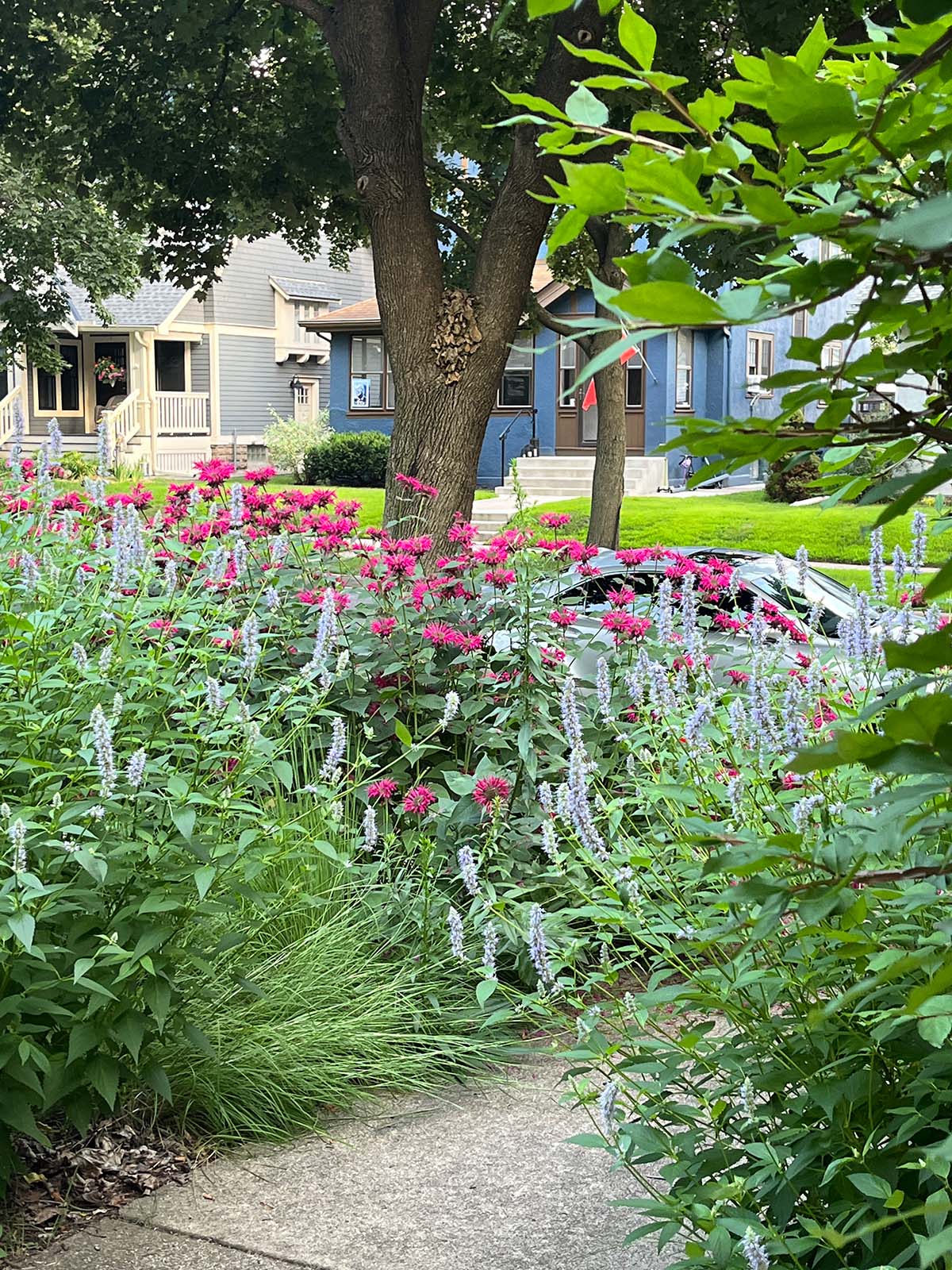
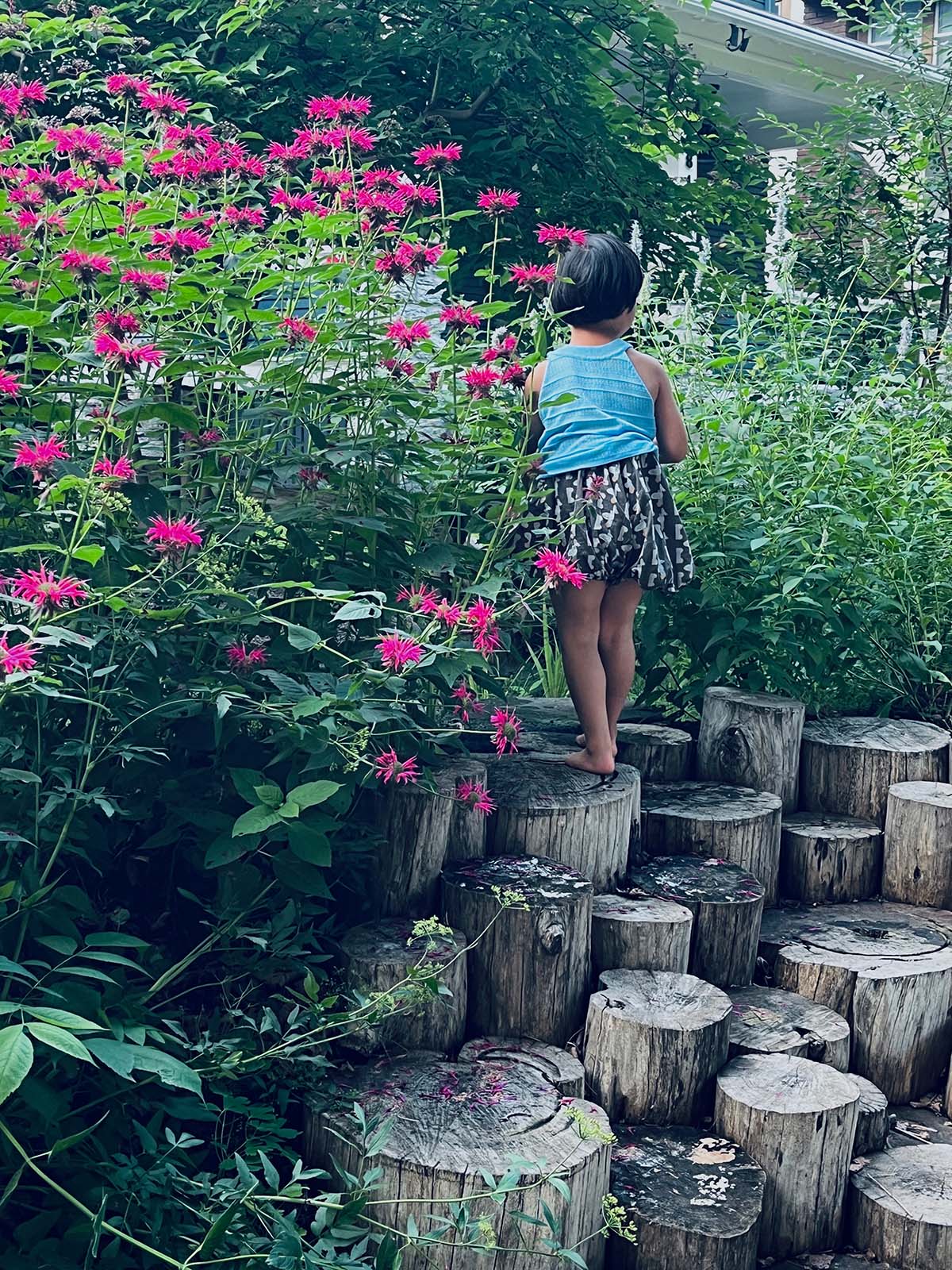
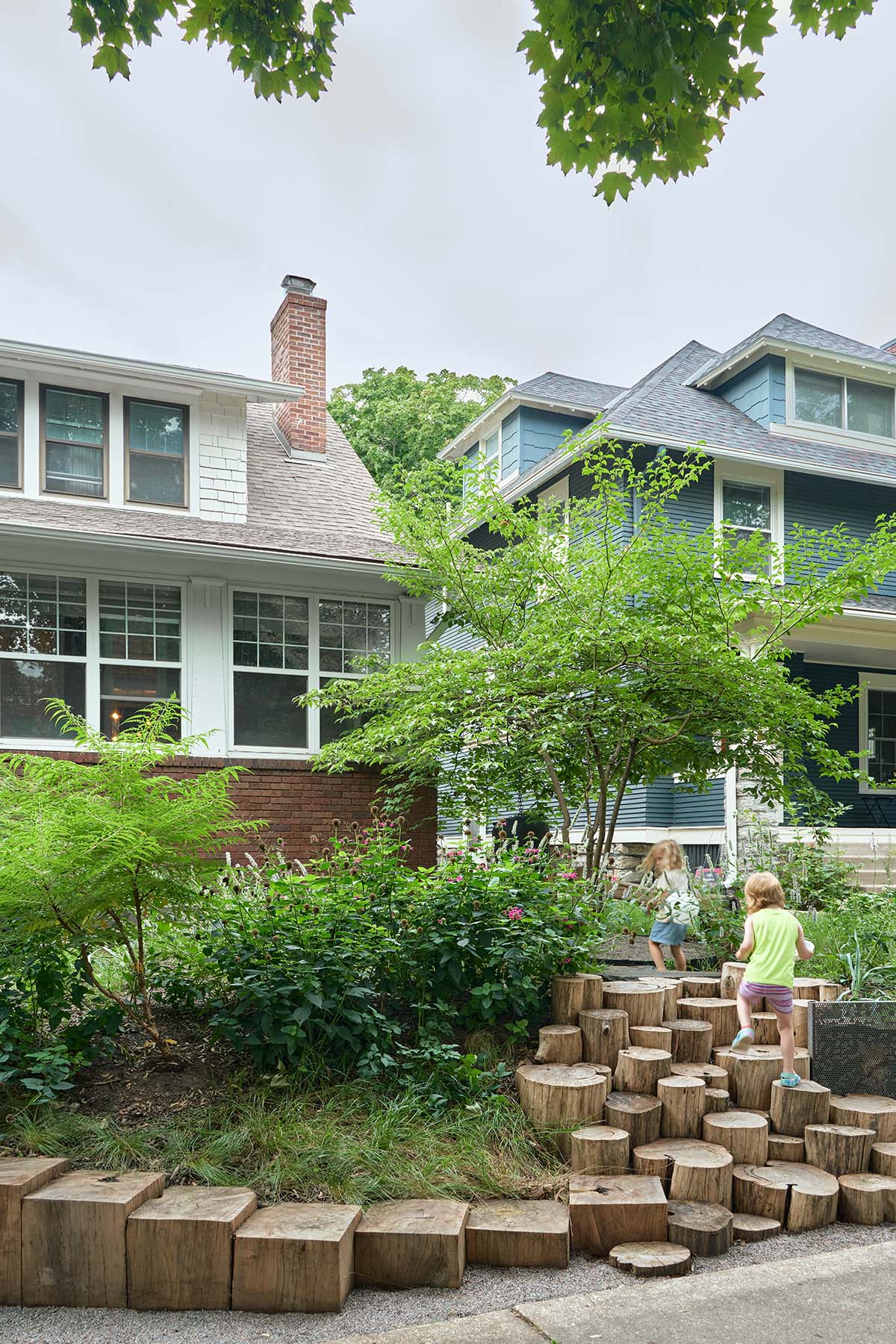
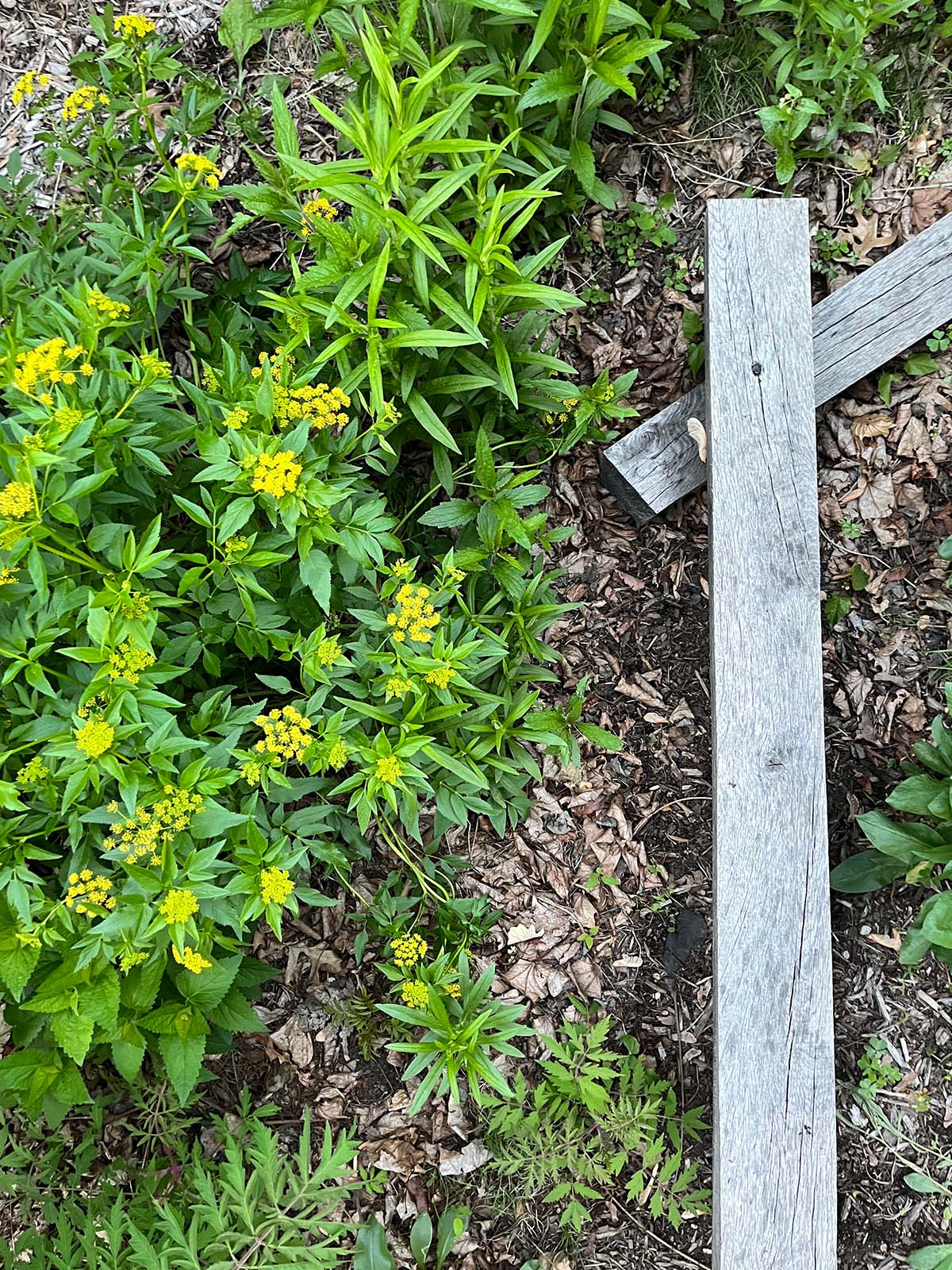
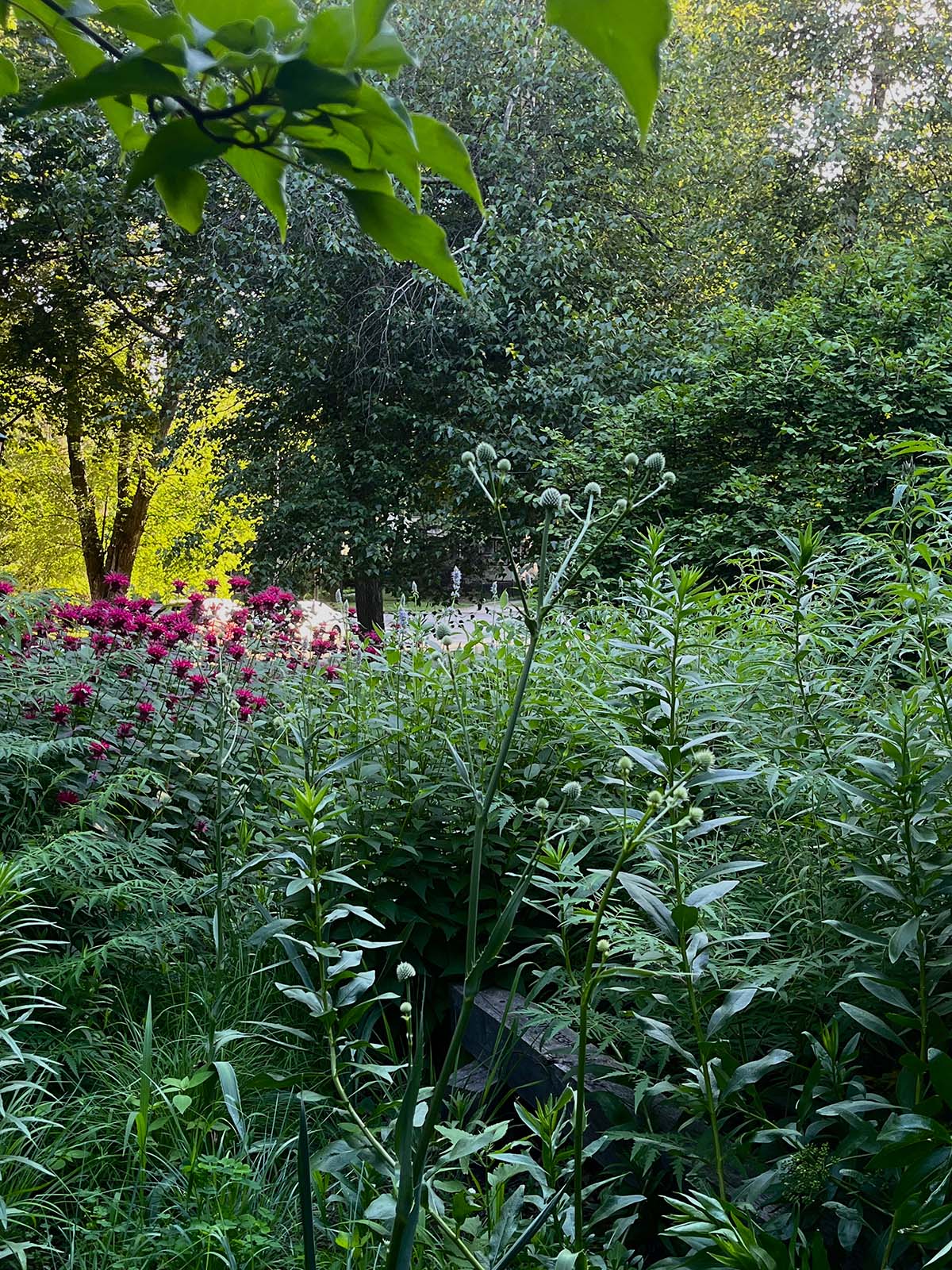
In my own Little Prairie, in a historic St. Paul neighborhood, we began with a handful of native species. Over time, unexpected plants have found their way in, contributing to the beauty and complexity of the space in ways we could not have fully anticipated.
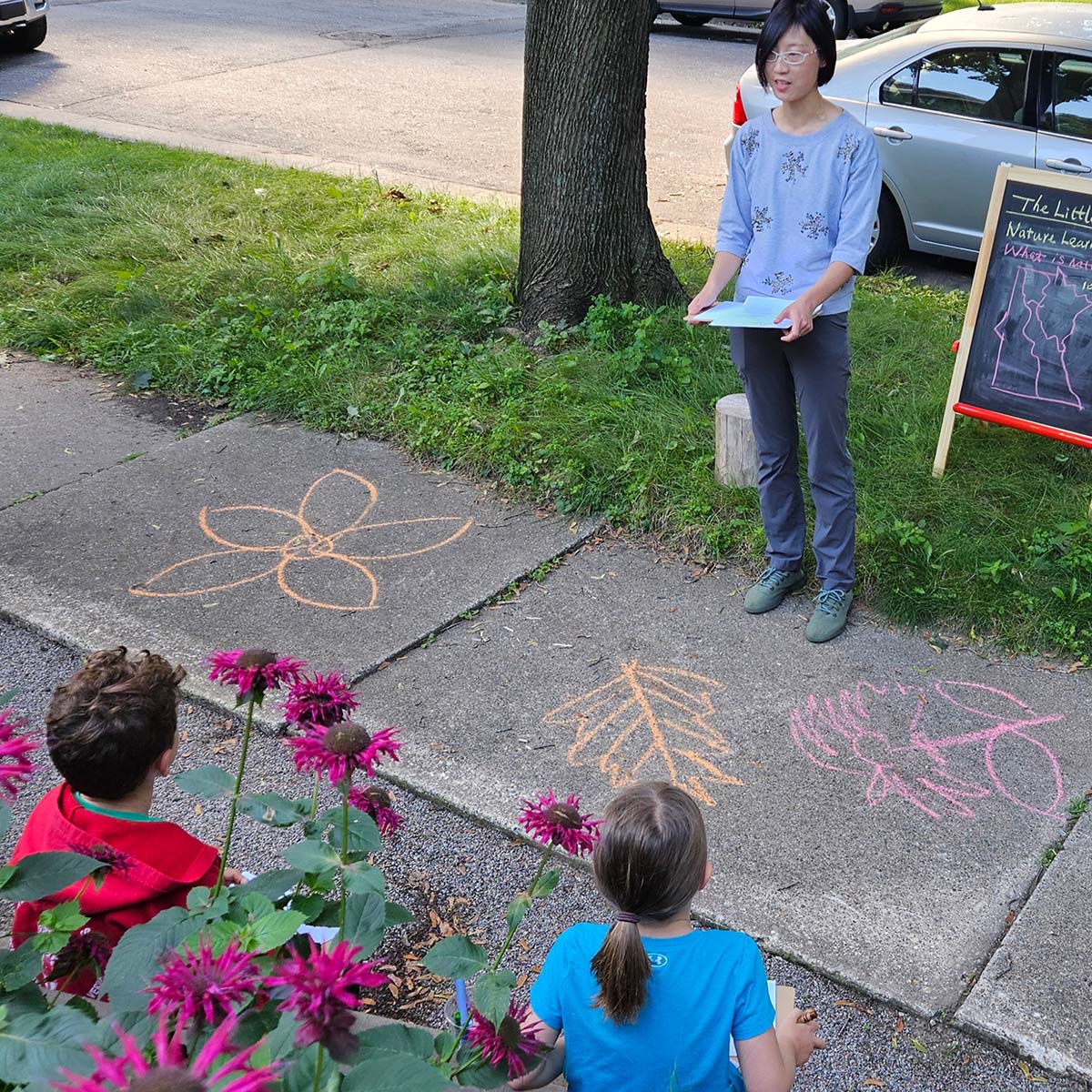
Tell us about a meadow that didn’t go as planned. What happened—and what did it teach you?
One meadow that affected my work, though it was not designed by me, was part of a schoolyard nature exploration area.
It was seeded on steep, man-made landforms. Heavy rains in the first spring washed seed off the mounds, and after the nature learning center was installed nearby, kids constantly stepped on the area, even with a plastic fence in place.
The lesson was to protect meadows during establishment, especially on slopes. It also reinforced the need to reseed multiple times on steep slopes, or to avoid designing slopes that are too steep in the first place.
Is there a plant that completely changed your opinion over time? How did your relationship with that species evolve?
I’ve always been fond of little bluestem (Schizachyrium scoparium), especially its iconic red tones in fall when planted in mass. But after growing it in my own meadow, my understanding deepened.
As a warm-season grass, it is surprisingly slow to wake in spring, even compared to other warm-season grasses. That changed how I think about pairing. Now, I’m more intentional about placing little bluestem with species that offer earlier ground coverage, allowing the composition to feel more complete in the early seasons.
If you could freeze a meadow at one moment in the year, when would it be?
Late summer and early fall. Grasses catch the light, blooming into a soft, luminous haze, while wildflowers flicker through in bursts of color.
What’s something a meadow reveals about place that a traditional landscape might hide?
Change and evolution define the meadow. The level of change is dramatic: plants seed themselves, compete, and work together to create a kind of harmony. It becomes a whole, rather than a collection of individuals.
Traditional landscapes change as well, but they are more controlled. Plants are kept in place, divided when they get too big, and thinned as things become crowded.
When you think about the future of meadows in the built world, what feels realistic—and what still feels out of reach?
Many private clients now seek to bring meadow and a sense of wildness to their properties, which feels like a meaningful shift from years past.
What still feels out of reach is a broader understanding of the maintenance and patience required in the first three years of establishment. We are beginning to close that gap by sharing more resources and setting clear expectations early on.
A greater challenge remains with commercial and institutional maintenance crews. Practices are often rooted in mowing and herbicide use, and that comfort level can become a barrier to implementing meadow in a more meaningful way.